




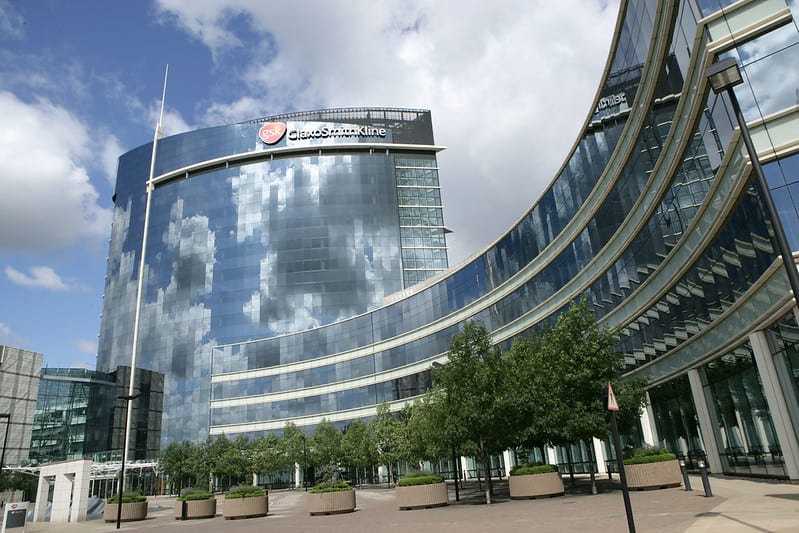
GSK has entered into a licensing agreement worth over $35m with Elegen to advance Elegen’s DNA production technology to develop GSK’s vaccines and medicines.
The multi-year collaboration will allow GSK to leverage Elegen’s cell-free synthetic DNA production technology.
As part of the deal, Elegen’s Enfinia DNA will support GSK’s medicines and vaccines, including RNA vaccines.
The terms of the agreement will include upfront fees and purchase commitments of up to $35m for Elegen’s technology, as well as near-term milestone payments relating to the development of new product features and a possible equity investment in Elegen by GSK.
Launched in March last year, Enfinia DNA works to deliver NGS-verified, high-complexity, clonal-quality, linear DNA of up to 7kb within seven business days, saving time and resources spent iteratively cloning, linearising and purifying plasmid DNA and master cell banks.
With the aim of transforming the next generation of mRNA, cell and gene therapies, the technology’s DNA is produced entirely cell-free, with the potential to transition from discovery to clinical scale-up under GMP.
Matthew Hill, founder and chief executive officer, Elegen, said: “This collaboration will expand our offering to include the clinical production of genetic medicines, potentially including mRNA, cell and viral gene therapies.”
The collaboration follows Elegen’s launch of the Early Access Program in May last year, which offered DNA of longer length and higher complexity to select customers.
Access to longer double-stranded DNA reduced Elegen’s early access partners’ cost and effort of producing long, multi-gene constructs without compromising the delivery time or DNA quality.
GSK’s RSV vaccine, Arexvy, was recently accepted for regulatory review by the European Medicines Agency for the prevention of respiratory syncytial virus (RSV) disease in adults aged 50 to 59 years at an increased risk of RSV disease.
The decision was based on positive results from a phase 3 trial showing that Arexvy generated an immune response in adults aged 50 to 59, including those with chronic pulmonary disease, cardiovascular disease, kidney disease, liver disease or diabetes, that was non-inferior to that observed in adults aged 60 and above.
Most recently, GSK’s Omjjara (momelotinib) was approved by the European Commission to treat myelofibrosis patients with moderate-to-severe anaemia.