




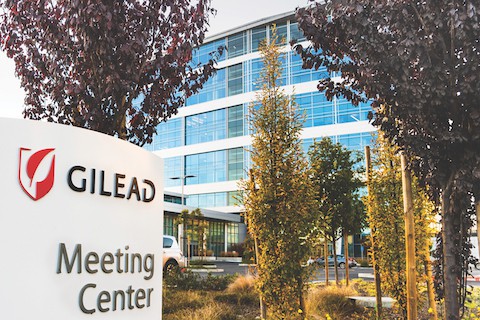
Gilead Sciences has announced that the National Institute for Health and Care Excellence (NICE) has recommended Veklury (remdesivir) to treat COVID-19 in vulnerable adults and children.
The new final draft guidance marks Veklury as the first antiviral to be recommended by NICE to treat eligible children, including those with a high risk of serious illness from COVID-19.
COVID-19 is an infectious disease caused by the SARS-CoV-2 virus that continues to cause thousands of hospital admissions in England.
Certain groups of people are vulnerable to COVID-19 as they are at higher risk of getting seriously ill, including those with certain types of cancer, autoimmune or inflammatory conditions and severe kidney or liver disease.
NICE has recommended Veklury for hospitalised adults and children weighing at least 40kg who are at high risk of serious illness.
Within its marketing authorisation, Veklury is also recommended to treat COVID-19 in children at least four weeks of age, weighing at least 3kg, who are in hospital with pneumonia and require supplemental oxygen.
Julian Cole, country medical director, Gilead UK and Ireland, said: “We welcome [the] news, which provides clinicians continuity and the option for sustained use of remdesivir on the NHS.”
As “COVID-19 continues to present a significant challenge in hospital settings… the recommendation… provides… an additional treatment option that may benefit many vulnerable patients, including young, immunocompromised children,” said professor Andrew Ustianowski, consultant physician, infectious diseases and tropical medicine, North Manchester General Hospital UK.
Currently approved in more than 50 countries, Veklury works to stop the SARS-CoV-2 virus from replicating and spreading in the body.
In March, Gilead shared positive new data from three real-world retrospective studies, which analysed 52,006 patients’ data from HealthVerity and further supported the use of its COVID-19 treatment for patients hospitalised with the virus.
It revealed that the treatment was associated with a 10% reduced risk of long COVID in all analysed age groups, as well as an overall 25% reduction in mortality risk and improved outcomes.