



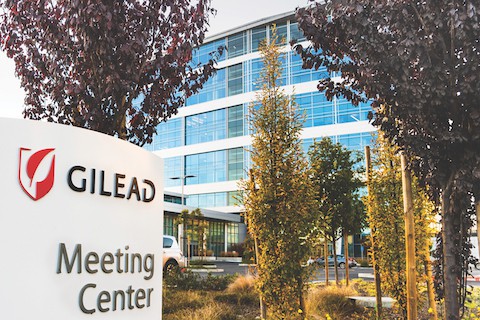
Gilead Science’s Livdelzi (seladelpar) has been granted accelerated approval by the US Food and Drug Administration (FDA) to treat primary biliary cholangitis (PBC).
The PPAR delta agonist has been authorised for use alongside ursodeoxycholic acid (UDCA) to treat adults who have an inadequate response to UDCA, and also as monotherapy for patients who are unable to tolerate UDCA.
Affecting approximately 130,000 people in the US, PBC is a rare autoimmune disease of the bile ducts that mainly affects women.
Pruritus, or itching, and fatigue are among the most common early symptoms of PBC, and the disease can cause liver damage and possible liver failure if left untreated.
The FDA’s decision was supported by positive results from the late-stage RESPONSE study, in which 62% of patients receiving oral Livdelzi achieved the primary endpoint of composite biochemical response after 12 months, versus 20% of those on placebo.
Treatment with Livdelzi led to normalisation of alkaline phosphatase (ALP) values, a cholestatic marker that is a predictor of risk for liver transplant and death, in 25% of patients at 12 months, while this change was not seen in any patients receiving placebo.
Livdelzi-treated patients also demonstrated a statistically significant reduction in pruritus compared with placebo.
In line with the FDA’s accelerated approvals pathway, continued approval of Livdelzi in this indication may be contingent on the verification of clinical benefit in a confirmatory trial.
Daniel O’Day, chairman and chief executive officer at Gilead, said: “People living with PBC have been waiting for treatment advancements for many years. [This] approval of Livdelzi, with its distinct profile, provides them with an important new option.”
Gilead gained access to Livdelzi in March through its $4.3bn acquisition of CymaBay Therapeutics.
The company recently shared positive data from the open-label ASSURE study, which has been evaluating the long-term safety and efficacy of Livdelzi in adults with PBC who had previously participated in a trial of the drug and who had not responded adequately to UDCA.
Results showed that 70% of 148 patients receiving an oral 10mg dose of Livdelzi once daily achieved the clinically meaningful composite response endpoint and 37% achieved ALP normalisation after 12 months.