



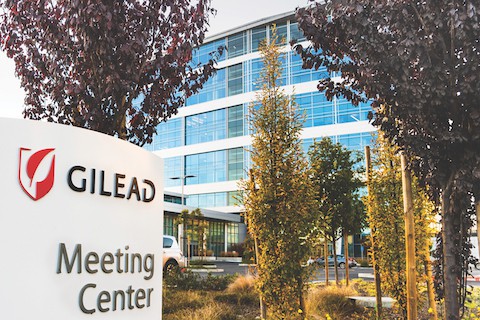
Gilead Sciences’ Livdelzi (seladelpar) has been approved by the Medicines and Healthcare products Regulatory Agency (MHRA) to treat adults with the rare liver disease primary biliary cholangitis (PBC).
The UK regulator has approved the drug for use alongside ursodeoxycholic acid (UDCA) to treat patients who have an inadequate response to UDCA, and also as monotherapy for those who are unable to tolerate UDCA.
Affecting approximately 25,000 people in the UK, PBC is a rare autoimmune disease of the bile ducts that mainly affects women and currently has no cure.
Pruritus, or chronic itch, and fatigue are among the most common symptoms of PBC, and the disease can cause liver damage and possible liver failure if left untreated.
Livdelzi belongs to a class of drugs called peroxisome proliferator-activated receptor-delta agonists and is designed to reduce the production of bile acid in the liver, preventing liver damage and reducing circulating bile acid levels.
Gilead gained access to Livdelzi in March, when it completed its $4.3bn acquisition of CymaBay Therapeutics. The drug has since been approved by the US Food and Drug Administration and recommended by the European Medicines Agency’s human medicines committee for PBC.
These decisions were based on positive results from the phase 3 RESPONSE study, in which 62% of patients receiving oral Livdelzi achieved the primary endpoint of composite biochemical response at one year, versus 20% of those on placebo.
Treatment with Livdelzi led to normalisation of alkaline phosphatase values, a cholestatic marker that is a predictor of risk for liver transplant and death, in 25% of patients at one year, while this change was not seen in any patients receiving placebo. Livdelzi-treated patients also demonstrated a statistically significant reduction in pruritus compared with placebo.
Julian Beach, MHRA interim executive director of healthcare quality and access, said: “We’re assured that the appropriate regulatory standards for the approval of this medicine have been met. As with all products, we will keep its safety under close review.”
The approval comes just days after Gilead and LEO Pharma entered into a strategic partnership worth $1.7bn to advance LEO’s small molecule oral STAT6 programme for inflammatory diseases.