



From overwhelming to actionable: Bringing lifestyle guidance to life
December 2, 2025 | Inclusive design, communication, design, health literacy, patient engagement
Discover how clear communication and health literacy principles can transform complex patient materials into simple, engaging, and empowering health information.
In the UK, 43% of adults find written health information hard to understand. In this series, we’re shining a light on how clear communication can change patient materials for the better. At Cuttsy+Cuttsy, we believe that when patients can find, understand, and use health information, they’re empowered to take control of their health journey. That’s why we weave the principles of health literacy into everything we do.
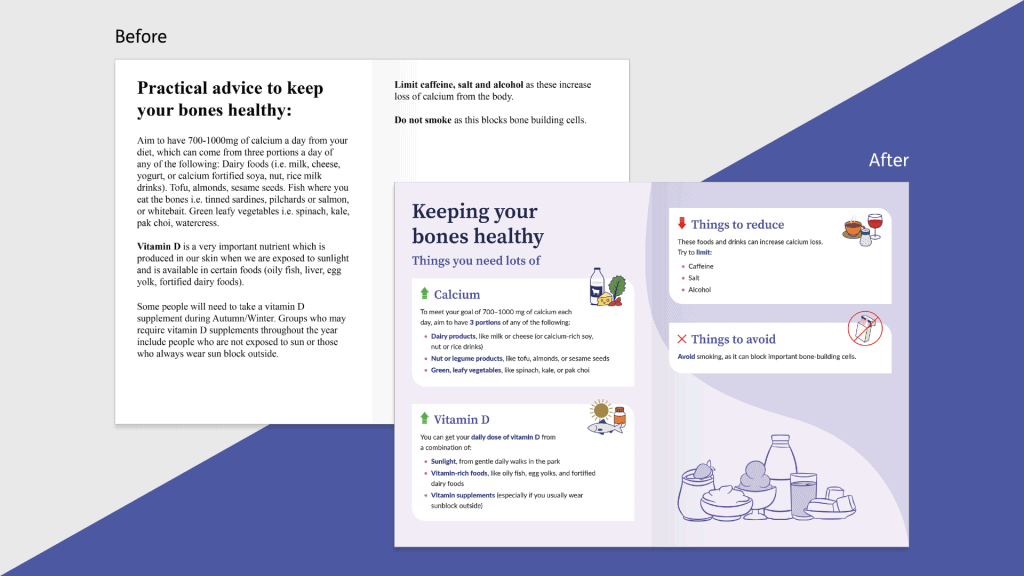
Our before-and-after examples demonstrate the impact of simple changes in language, structure, and design. Just click and drag the slider to see the difference.
Before:
Lifestyle and dietary guidance for patients was presented as a plain, long paragraphs and sentences.

After:
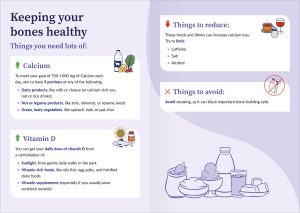
We reworked the content into distinct categories (“more”, “less” “avoid”), trimmed all but the need to know information, and split longer lists of examples into bullets. The result is clear, direct, actionable guidance.
Each category is supported with illustrations, providing a visual summary of the key information, helping to serve as stronger reminders. More subtly, the considered use of empty space on the page helps the guidance feel simpler and less intimidating, too.
Clear, actionable guidance, with visual reminders, supports better understanding and adherence. Which is what health literacy is all about.
This content was provided by Cuttsy + Cuttsy
Company Details

Latest Content from Cuttsy + Cuttsy
Why faster trials make participant understanding more important than ever
As clinical trials accelerate, clear, accessible consent is essential to help participants understand, engage with and remain in a study.
Older trial participants reject bad design, not technology
Older trial participants aren’t rejecting digital technology — they’re rejecting poorly designed, inaccessible experiences that make participation harder.
5 key takeaways from the Patient Centricity and Engagement Conference
Key takeaways from the Patient Centricity and Engagement conference, exploring how trust, inclusion and meaningful partnership can help turn patient engagement from intention into action.
It’s time to stop calling adverse events ‘manageable’
A single word—manageable—can minimise the real burden of treatment side effects, and it’s time clinical trial communication reflected patients’ lived experience more clearly.
The value: why localisation pays off across global trials
Strong localisation reduces trial friction, supports site teams, improves participant understanding and helps global studies run more smoothly, fairly and efficiently.
The solution: Good localisation doesn’t feel translated
Learn what good localisation looks like in clinical trials and why participant-facing materials should feel naturally relevant, culturally appropriate and easy to understand across every market.
Healthcare information is becoming easier to access. Trust isn’t.
Sharing key insights from NEXT Pharma Summit on why trust, clarity and human-centred communication matter more than ever in healthcare.
It was never reluctance: What ASCO 2026 revealed about clinical trial recruitment
ASCO 2026 highlighted that low clinical trial recruitment is driven less by patient reluctance and more by gaps in awareness, communication, accessibility and patient education.
Where translation falls short in practice
Discover why translation alone is not enough in global clinical trials and how expert localisation improves participant understanding, trust and engagement.
Where it all began – why we developed The Experience Gap
Learn how The Experience Gap was developed to help sponsors, CROs and site teams improve clinical trial participation by identifying friction points, enhancing patient experience, and driving better recruitment and…