




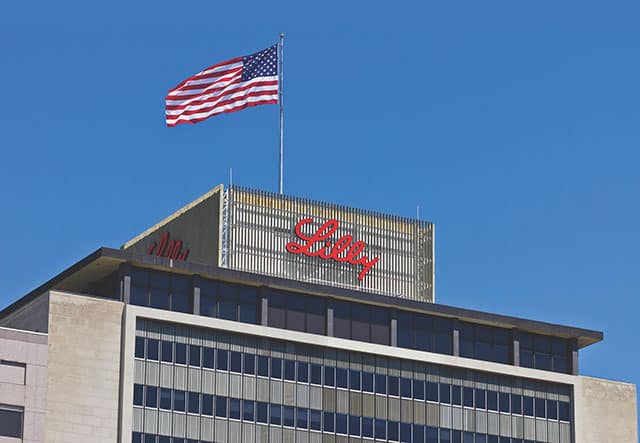
Eli Lilly has agreed to acquire Kelonia Therapeutics in a deal valued at up to $7bn, as the company looks to expand its capabilities in cell and gene therapy.
Under the terms of the agreement, Kelonia shareholders will receive $3.25bn upfront, with additional payments tied to clinical, regulatory and commercial milestones. The transaction is expected to complete in the second half of 2026, subject to regulatory approvals.
Kelonia has developed an in vivo gene delivery platform designed to enable the generation of chimeric antigen receptor T-cell (CAR-T) therapies directly within the body. The approach aims to overcome limitations associated with traditional ex vivo CAR-T therapies, including complex manufacturing.
The company’s lead programme, KLN-1010, is an investigational one-time intravenous gene therapy targeting B-cell maturation antigen (BCMA), a protein expressed on multiple myeloma cells. Early clinical data presented at the 2025 American Society of Hematology Annual Meeting suggested promising tolerability and provided initial clinical validation of the platform.
Jacob Van Naarden, Executive Vice President and President of Lilly Oncology, said the acquisition reflected efforts to address barriers limiting patient access to CAR-T therapies. He said in vivo approaches could enable more rapid and scalable treatment delivery compared with existing methods.
“The early clinical data for KLN-1010 are highly encouraging, both as a potential step forward for patients with multiple myeloma and as proof of concept for Kelonia’s platform,” he stated.
Kelonia’s platform uses engineered lentiviral-based particles to selectively target T-cells in the body, enabling the generation of CAR-T cells without the need for pre-administration chemotherapy or complex manufacturing steps.
Kelonia CEO Kevin Friedman said the technology has the potential to broaden the reach of cell therapy across a wider range of cancers and other serious diseases, building on early results seen in multiple myeloma.
“In combination with Lilly’s strengths, our in vivo iGPS platform is positioned to broaden the reach of cell therapy beyond the current CAR-T landscape in hematologic malignancies and to transform treatment across a far wider range of cancers and other serious diseases,” added Friedman.
Lilly said the acquisition will support further development of KLN-1010 and exploration of the platform across additional indications. The deal reflects continued investment in next-generation gene and cell therapies aimed at improving accessibility and reducing treatment complexity for patients.