



Healthcare information is becoming easier to access. Trust isn’t.
June 17, 2026 | AI, Communications, Digital, health literacy
Sharing key insights from NEXT Pharma Summit on why trust, clarity and human-centred communication matter more than ever in healthcare.
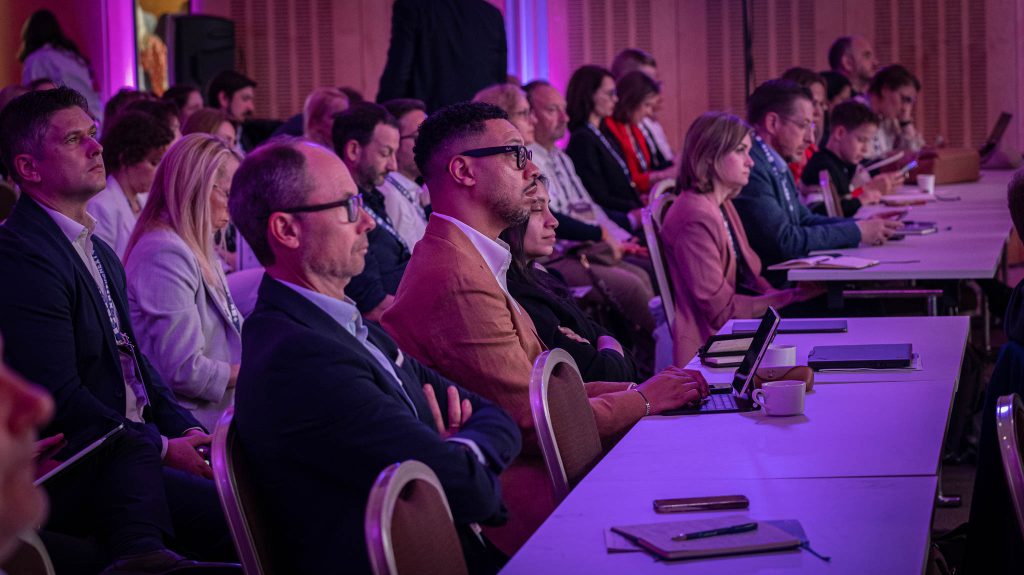
One theme came through clearly at NEXT Pharma Summit 2026. Healthcare information has never been easier to find. But for many people, it has never been harder to make sense of.
The statistics shared across the event showed how quickly things are changing. ChatGPT is now handling hundreds of millions of health-related questions each week. Health searches continue to rise globally. Longer, more conversational searches are growing faster than traditional keyword searches. Healthcare professionals are also using AI tools more often in their day-to-day work.
The challenge is no longer access. It’s knowing what to trust. When people struggle to understand what they’re finding, trust becomes even more important.
Technology is moving quickly, but people’s expectations are rising too. Patients expect information to be available straight away. They want it to be clear, relevant and easy to understand. And their questions don’t stop when they leave a clinic, hospital or pharmacy.
Often, that’s when the search really begins. The industry designs care around a 15-minute consultation, but patients live in the other 23 hours and 45 minutes.
Research shared at the summit showed that 42% of Americans describe their health literacy as low to moderate. Even more striking, 81% said they still have basic questions about their health, regardless of education level.
At the same time, 71% of people using AI health tools still feel they need to check the information somewhere else.
People aren’t only looking for answers. They’re looking for reassurance, confidence and information they can trust. That’s where healthcare communications can play a vital role. The challenge is no longer just making information available. It’s making it clear, useful and trustworthy in a world where people have more sources than ever before.
The organisations that do this well won’t always be the ones producing the most content or using the newest tools. They’ll be the ones helping people make sense of complex healthcare journeys.
The same principle applies to healthcare professionals.
For all the current focus on AI, human expertise still matters deeply. Peer-to-peer trust remains strong, with 80% of physicians ranking their peers as their most trusted source of information. In-person learning remains highly valuable. Congress attendees are more likely to adopt new treatments faster than those who rely only on digital engagement.
So, the message isn’t that technology doesn’t matter. It clearly does. The message is that technology alone isn’t enough. The strongest healthcare organisations aren’t using technology to replace human connection. They’re using it to support it.
Whether someone is searching for answers at home, supporting a loved one through a diagnosis, or trying to keep up with new clinical evidence, the need is often the same.
Clear information. Relevant support. Trustworthy communication.
Technology will keep changing. The human need for trust is unlikely to. In healthcare, that may still be the most valuable currency we have.
Helping people navigate complex healthcare information is what we do. If that’s a challenge you’re working on, let’s talk.
Sources
- NEXT Pharma Summit 2026, Dubrovnik:
- DE·CODED: Curiosity, Literacy, and the New Language of Health, presented by Stefani Klaskow, Managing Director, Health at Google, and Lois-An Gregory, Strategy & Insights, Health & Wellness at Google.
- Novartis: The Human Advantage – Why HCPs Trust Congress More Than Algorithms, presented by Cristina Finazzi, Director, Congress & Customer Experience at Novartis.
This content was provided by Cuttsy + Cuttsy
Company Details

Latest Content from Cuttsy + Cuttsy
When what matters to patients is hard to measure
Patient-relevant outcomes sit at the heart of the EU HTA reforms, but ensuring they reflect lived experience requires you to look beyond what traditional clinical endpoints measure.
Permission to pause: making treatment breaks part of the cancer care conversation
Exploring how empathetic, patient-centred communication can make planned treatment breaks easier to discuss as part of cancer care.
A seat at the table: what the EU HTA reforms really ask of patient involvement
The EU HTA reforms give patients a formal role in assessing new medicines, but meaningful involvement requires more than simply offering them a seat at the table.
Why faster trials make participant understanding more important than ever
As clinical trials accelerate, clear, accessible consent is essential to help participants understand, engage with and remain in a study.
Older trial participants reject bad design, not technology
Older trial participants aren’t rejecting digital technology — they’re rejecting poorly designed, inaccessible experiences that make participation harder.
5 key takeaways from the Patient Centricity and Engagement Conference
Key takeaways from the Patient Centricity and Engagement conference, exploring how trust, inclusion and meaningful partnership can help turn patient engagement from intention into action.
It’s time to stop calling adverse events ‘manageable’
A single word—manageable—can minimise the real burden of treatment side effects, and it’s time clinical trial communication reflected patients’ lived experience more clearly.
The value: why localisation pays off across global trials
Strong localisation reduces trial friction, supports site teams, improves participant understanding and helps global studies run more smoothly, fairly and efficiently.
The solution: Good localisation doesn’t feel translated
Learn what good localisation looks like in clinical trials and why participant-facing materials should feel naturally relevant, culturally appropriate and easy to understand across every market.
Healthcare information is becoming easier to access. Trust isn’t.
Sharing key insights from NEXT Pharma Summit on why trust, clarity and human-centred communication matter more than ever in healthcare.