




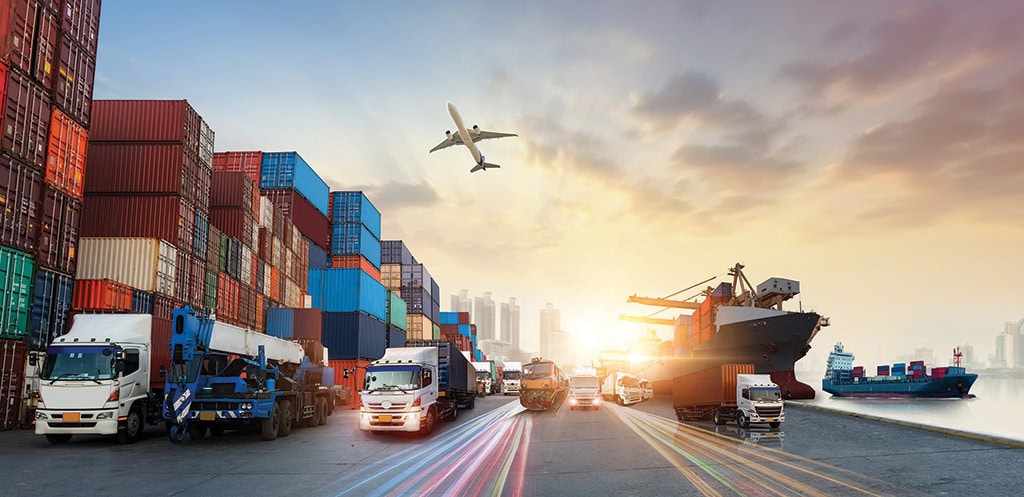
Typically, when organisations speak of supply chain transparency, they focus on the last mile: the product journey from ‘production to fork’, with a view to reducing energy and waste while optimising efficiency and flexibility in final delivery. However, the first mile of the supply chain – from ‘farm to production’ – is just as important.
The first mile encompasses everything before goods are received for manufacturing an end product, including raw material extraction and cultivation. It can be long, geographically widespread and complex. It is also often the most challenging part for businesses to track. However, building transparency and traceability into the first mile is crucial to improving resilience and agility and ensuring regulatory compliance.
A 2024 report from Jabil and Industry Week suggested that organisations have recognised the necessity of harnessing supply chain data, with 69% of respondents saying they have limited visibility and need more. With this in mind, this article considers some of the factors behind the growing importance of first-mile visibility, and looks at how manufacturers can implement processes that will help improve transparency and traceability within this critical part of the supply chain.
The value in end-to-end supply chain visibility
Having complete, end-to-end visibility of supply chains is playing an increasingly important role in helping to promote resilience in an uncertain geopolitical and economic environment. Full supply chain visibility can help manufacturers respond more efficiently to supply and demand changes – and maintain stock (and pricing) levels at times of disruption. It can also help increase consumer and stakeholder confidence in a brand’s environmental commitments and help ensure compliance with new and upcoming regulations.
A well-managed, transparent first mile forms the foundation for an efficient, safe, sustainable and compliant end-to-end supply chain, while a poorly managed first mile can have the opposite effect.
Lack of first-mile visibility can mean businesses need to hold excess inventory to deal with unexpected changes in demand. In addition, a business without complete visibility of exactly where different batches of raw materials and ingredients are sourced from can run the risk of widespread product recalls and associated reputational damage should an issue occur downstream.
Whereas the focus on supply chain transparency has typically been on the last mile, there has been an increase in new regulations requiring brands to provide information on the first mile of their supply chains. Examples include the US Food and Drug Administration (FDA) Food Safety Modernization Act, aimed at preventing foodborne illnesses, and the EU Deforestation Regulation (EUDR), which covers all deforestation-linked commodities sold in Europe, including wood, coffee and cattle.
Read the article in full here.
