



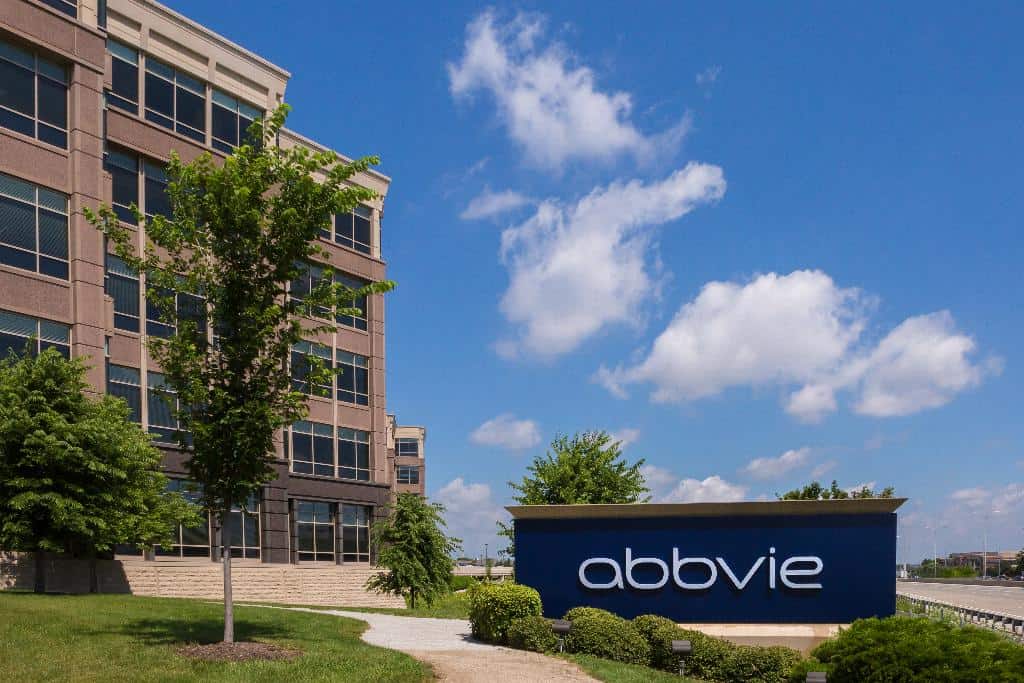
AbbVie has announced that it will be expanding its immunology capabilities by acquiring Capstan Therapeutics for up to $2.1bn.
The agreement will give AbbVie access to Capstan’s lead CAR-T therapy candidate, CPTX2309, which is currently in phase 1 clinical development for B cell-mediated autoimmune diseases.
B cells play a significant role in the pathogenesis of autoimmune diseases and CD19, a protein found on the surface of these cells, is a well-established target for B cell depletion using ex vivo CAR-T cell therapy.
However, ex vivo cell therapies, where cells are engineered outside the patient’s body, has several drawbacks, including complex and costly manufacturing processes, and the need for lymphodepletion preconditioning.
Capstan’s CPTX2309 is a targeted lipid nanoparticle (tLNP) designed to deliver an mRNA payload encoding an anti-CD19 CAR to CD8-expressing cytotoxic T cells in vivo, which involves modifying cells within the body.
“In vivo CAR-T represents a potential new treatment modality in medicine – embodying the transformative power of cell therapy with the accessibility and scalability of an off-the-shelf biologic,” said Capstan’s president and chief executive officer, Laura Shawver.
The acquisition will also include Capstan’s proprietary CellSeeker tLNP platform technology, designed to deliver RNA payloads capable of engineering specific cell types in vivo.
Roopal Thakkar, executive vice president, research and development and chief scientific officer at AbbVie, said: “Scientific innovation is required to address not just the symptoms of autoimmune diseases, but also to resolve and potentially cure the underlying disease.
“By advancing CPTX2309 and utilising Capstan’s novel platform technology, AbbVie and Capstan aim to transform the care of those living with autoimmune diseases by developing treatments that have the potential to reset the immune system.”
Immunology is a key focus area for AbbVie and the company has made a number of deals to expand its presence in the field.
In January, it completed its $200m acquisition of Nimble Therapeutics, giving it access to an investigational oral peptide IL23R inhibitor in preclinical development for psoriasis and inflammatory bowel disease.
In the same month, the company partnered with Neomorph to develop new molecular glue degraders for multiple targets across immunology and oncology, with the deal worth $1.64bn.