




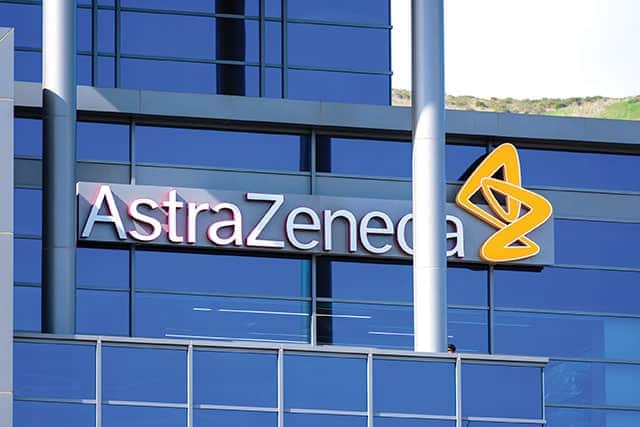
AstraZeneca has announced plans to invest $2bn into the expansion of its manufacturing capabilities in Maryland.
The company already has a manufacturing facility in Frederick, which currently produces biologics, a variety of medicine used across AstraZeneca’s healthcare portfolio. The expansion will nearly double the Frederick facility’s manufacturing capacity, allowing for increased production of existing medicines as well as production of medicines for the company’s rare disease portfolio. The expanded facility will create 200 skilled jobs and 900 construction roles, and is projected to be in operation in 2029.
As well as expanding capacity at Frederick, AstraZeneca also plans to build a new clinical manufacturing facility in nearby Gaithersburg. This facility will retain 400 roles and create 100 new roles, as well as creating an additional 1,000 construction roles. Like the Frederick facility, it is expected to be operational in 2029.
Both facilities will leverage AI, automation and data analytics, with the company saying that both will be built to the highest environmental standards.
Pascal Soriot, CEO of AstraZeneca, said: “Today marks a landmark moment for Maryland and [US] patients. As the state’s largest biopharmaceutical employer, we are deepening our long-standing commitment to Maryland – supporting 2,600 jobs, catalysing economic growth and bringing our extensive rare disease portfolio onshore for the first time. This investment strengthens the resilience of the US medicines supply chain and accelerates access to transformative therapies for patients across [the US] and around the world.”
These plans come as part of AstraZeneca’s planned $50bn US manufacturing investment, which the company announced in July. AstraZeneca has unveiled a series of US projects in the last six months, including a new cell therapy manufacturing facility in Rockville, Maryland, and a new drug substance manufacturing facility in Virginia.
The US is AstraZeneca’s largest sales market, contributing around $20bn to the US economy in 2025.