



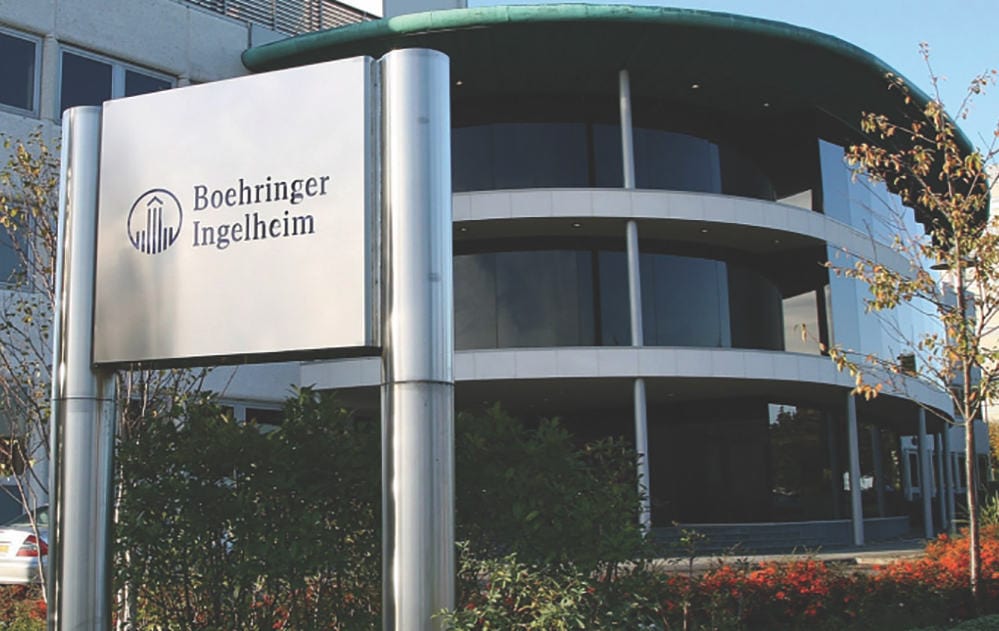
Boehringer Ingelheim and Simcere have announced a new license and collaboration agreement for the development of SIM0709, a therapy for inflammatory bowel disease (IBD).
SIM0709 is a pre-clinical TL1A/IL23p19 bispecific antibody created by Simcere through its proprietary multi-specific antibody platform. It helps to tackle the onset and progression of IBD. Various research – including in vitro primary cell studies and in vivo animal studies – has shown that SIM0709 is superior in efficacy to a combination of two monotherapies used to treat IBD.
IBD refers to a set of progressive conditions, including Crohn’s disease and ulcerative colitis, that have serious quality of life impacts on patients. IBD often necessitates hospitalisation and surgery. Estimates suggest that over three million people around the world are affected by IBD. There is a major unmet medical need in this area, since current treatments do not fully prevent or undo complications associated with IBD.
The terms of the agreement between Boehringer and Simcere state that Boehringer will receive global rights to SIM0709 outside greater China. Simcere will be eligible to receive an upfront payment as well as payments for development, regulatory and sales milestones, totaling up to 1,058m euros. Simcere will also be eligible to receive royalties on net sales outside China.
Carine Boustany, US Innovation Unit site head and global head of immunology and respiratory diseases at Boehringer Ingelheim, said: “In IBD, too many patients continue to progress and experience severe complications despite currently available anti-inflammatory therapies.”
Gaobo Zhou, chief investment officer at Simcere Pharmaceutical Group, said: “Simcere’s bispecific antibody SIM0709 was engineered with our proprietary multi-specific antibody platform with first-in-class potential for IBD treatment.
“Partnering with Boehringer Ingelheim, with its long term commitment and deep expertise in immunology, positions the compound for rigorous global development. Together we aim to accelerate the clinical development and advance a treatment option that could improve outcomes for patients world-wide affected by IBD.”