



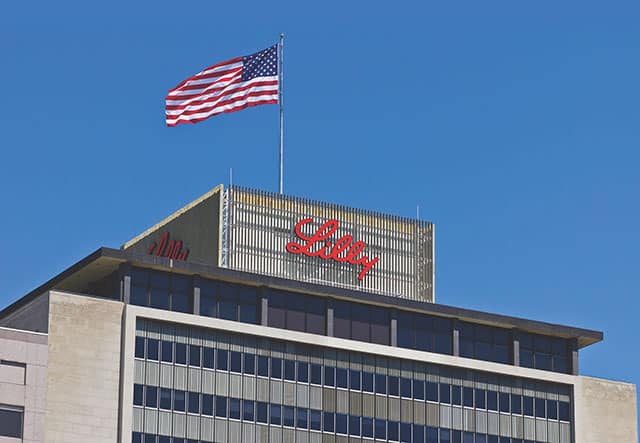
Eli Lilly and artificial intelligence (AI)-focused Genetic Leap have entered into a research collaboration worth up to $409m to develop genetic medicines.
The partnership will see the companies use Genetic Leap’s RNA-targeted AI platform to generate oligonucleotide drugs against targets selected by Lilly in “high priority therapeutic areas”.
In exchange, Genetic Leap will receive up to $409m in upfront, development, clinical, regulatory and commercial milestone payments, as well as to tiered royalties.
Commenting on the alliance, which builds on a pilot between the two partners, Genetic Leap’s chief executive officer and founder, Bertrand Adanve, said: “We are thrilled to collaborate with Lilly and deeply share [its] strong commitment to developing RNA medicines.
“Our primary goal in building the Genetic Leap AI platform is to accelerate the development of life-saving medicines for patients, and this collaboration… takes us significantly closer to that goal.”
There has been a growing focus on AI within the pharmaceutical industry and Lilly’s partnership with Genetic Leap is not its first of the year to focus on the emerging technology.
In June, the company said it had entered into a collaboration with OpenAI aimed at developing antimicrobials to treat drug-resistant pathogens.
Diogo Rau, executive vice president and chief information and digital officer at Lilly, said at the time of the announcement: “Generative AI opens a new opportunity to accelerate the discovery of novel antimicrobials and the development of custom, purpose-built technologies in the battle against drug-resistant pathogens.”
Beyond AI, Lilly has made a series of deals recently, including its multi-year agreement with HAYA Therapeutics worth up to $1bn to discover regulatory genome targets for obesity and related metabolic conditions.
The collaboration was announced last week and centres around HAYA’s proprietary regulatory genome discovery platform, which the partners will use to identify, characterise and validate multiple long non-coding RNA targets for the potential development of new treatments.
Lilly’s $3.2bn acquisition of Morphic Therapeutics also closed last month, giving it access to a selective oral small molecule inhibitor of α4β7 integrin for inflammatory bowel disease.