



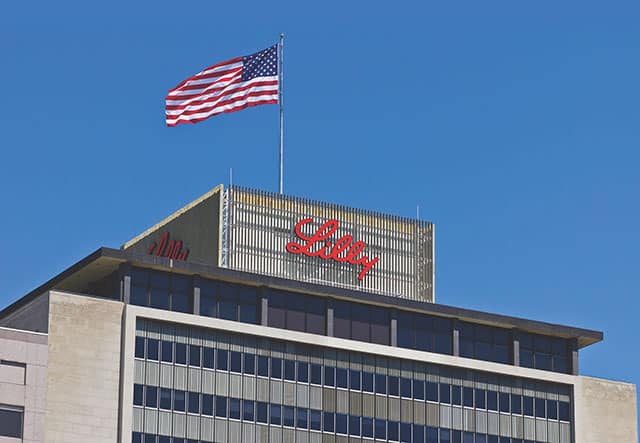
Eli Lilly has said it will be expanding its oncology pipeline by acquiring Scorpion Therapeutics’ PI3Kα inhibitor programme in a deal worth up to $2.5bn.
STX-478 is currently being evaluated in a phase 1/2 trial as a monotherapy and as part of a combination treatment for breast cancer and other advanced solid tumours.
PI3Kα mutations occur in more than 166,000 patients with breast, gynaecological and other solid tumours in the US every year.
STX-478, which is taken orally once daily, is designed to selectively target the PI3Kα pathway in cancerous but not healthy cells. According to Lilly, this approach could potentially offer better disease control through deeper pathway inhibition, as well as improved tolerability.
Jacob Van Naarden, executive vice president and president of Lilly oncology, said: “PI3Kα mutations occur in a meaningful proportion of hormone-positive breast cancers, and there is significant unmet need for new treatment options that effectively and safely target this pathway.
“The selectivity profile of STX-478 has led to a differentiated clinical profile, enabling use in combinations with standard-of-care therapies to potentially deliver meaningful impact in earlier treatment settings when there is the best opportunity to improve outcomes for patients.”
Under the terms of the agreement, Lilly will acquire Scorpion and a new entity will be spun out to house Scorpion’s employees and non-PI3Kα pipeline assets. The independent company will be owned by Scorpion’s current shareholders, with Lilly holding a minority equity interest.
Scorpion’s shareholders could receive up to $2.5bn, including an undisclosed upfront payment as well as regulatory and sales milestones.
Adam Friedman, Scorpion’s president and chief executive officer, said: “We believe Lilly’s global capabilities and strategic commitment to patients with breast cancer will accelerate our goal of developing STX-478 to improve outcomes for the many patients with solid tumours driven by PI3Kα mutations.”
The announcement comes just days after Lilly partnered with Alchemab Therapeutics to develop new therapies for amyotrophic lateral sclerosis (ALS).
The collaboration agreement centres around Alchemab’s antibody discovery platform, which uses patient samples from those with unusually slow rates of disease progression to identify antibodies associated with resilience.