


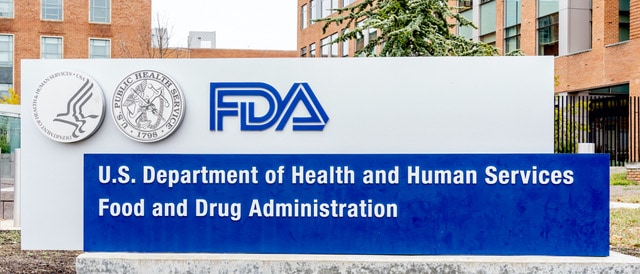
The US Food and Drug Administration (FDA) has approved PTC Therapeutics’ Sephience (sepiapterin) to treat the rare metabolic disorder phenylketonuria (PKU).
The drug has been authorised in combination with a phenylalanine-restricted diet to treat hyperphenylalaninemia (HPA) in adult and paediatric patients aged one month and older with sepiapterin-responsive PKU.
Affecting one in every 13,500 to 19,000 newborns in the US, PKU is a genetic disorder caused by a deficiency in the enzyme needed to metabolise phenylalanine, an amino acid present in virtually all protein-containing foods.
As a result, phenylalanine builds up in the blood and, if left untreated, causes progressive and severe neurological impairment.
Sephience, which was recently approved by the European Commission, is a natural precursor of the enzymatic co-factor BH4 and designed to effectively reduce blood phenylalanine levels.
The FDA’s decision on the drug was based on results from the late-stage APHENITY trial, in which the mean percent phenylalanine reduction in sepiapterin-treated patients was 63%, rising to 69% in a subset of classical PKU patients.
Also supporting the approval was data from the APHENITY long-term extension (LTE) study, in which more than 97% of patients participating in the phenylalanine tolerance protocol demonstrated the ability to liberalise their diet while on sepiapterin treatment, with a mean increase in protein intake of 126%.
Commenting on the latest approval of the drug, PTC’s chief executive officer, Matthew Klein, said: “We are excited to have reached this important milestone for those affected by PKU. The broad labelling reflects the potential of Sephience to meet the significant unmet need of PKU patients.”
Klein added that the company’s customer-facing teams are ready to bring the therapy to eligible patients in the US “as quickly as possible”.
Also welcoming the authorisation, Catherine Warren, executive director of the National PKU Alliance, said: “This progress brings renewed hope, and we are eager to see the positive impact this new treatment option will have on advancing care and potentially improving quality of life for individuals of all ages and PKU subtypes that respond to this therapy.”