


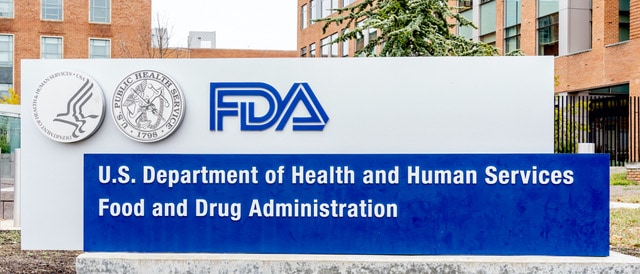
The US Food and Drug Administration (FDA) has awarded Orphan Drug Designation (ODD) to SynaptixBio, which is aiming to develop a treatment for a rare and currently incurable brain disease.
TUBB4A leukodystrophy is a disorder that affects the nervous system, and SynaptixBio has already received an ODD from the US regulator for a therapeutic that targets the most severe form of the disease, hypomyelination with atrophy of the basal ganglia and cerebellum (H-ABC).
The latest designation allows the company to research and develop a therapy for a milder type, isolated hypomyelination.
Only identified relatively recently, isolated hypomyelination can cause movement problems, dysarthria and learning difficulties, although these symptoms are typically milder than in H-ABC.
Dan Williams, SynaptixBio’s chief executive officer, said: “This ODD is a huge boost to our efforts in tackling these devastating, life-limiting rare diseases.
“Our whole strategy is centred around achieving these prestigious designations, which [makes the] development of therapeutics easier and more cost-effective.”
SynaptixBio will now qualify for the benefits associated with FDA ODD, including tax credits for qualified clinical trials, exemption from some pre-marketing authorisation requirements and regulatory fees, as well as a potential seven years of market exclusivity and data exclusivity after approval.
The company was also recently granted a Rare Paediatric Disease Designation, which can lead to the award of a Priority Review Voucher once a product is approved.
There are over 7,000 known rare diseases, 80% of which have genetic causes.
SynaptixBio’s approach to combating TUBB4A-related leukodystrophies involves the use of antisense oligonucleotide (ASO) technology, which has already been proven in the treatment of other dystrophies and is quick and cost-effective to develop.
ASOs can alter the expression of genes, and in this case, a specific ASO molecule targets the mutated TUBB4A gene to stop it from forming toxic proteins. This helps build the cells that form myelin sheaths surrounding nerve fibres in the brain, and with the toxic protein suppressed, other proteins step in to help form normal myelin.
Disease research is carried out by the Children’s Hospital of Philadelphia under a sponsored research agreement and SynaptixBio has signed a worldwide exclusive licence to intellectual property from the centre, enabling commercialisation of a treatment.