



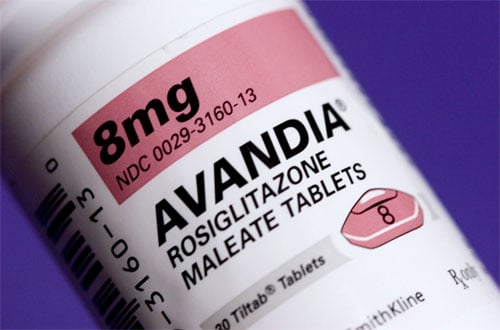
The US Food and Drug Administration (FDA) has concluded that GlaxoSmithKline’s (GSK) diabetes drug Avandia does not elevate the risk of heart attacks, allowing it to remove constraints on prescribing.
The decision comes in the wake of a re-analysis of the RECORD (Rosiglitazone Evaluated for Cardiovascular Outcomes and Regulation of glycaemia in Diabetes) study, which concurred with the original findings and suggested Avandia is no more likely to cause heart attack or death when compared to other diabetes drugs.
The FDA first imposed the curbs on Avandia prescribing in 2010 – after years of pressure – when it decided that meta-analyses of published studies suggested the cardiovascular risk was real. The restrictions mean that patients had to enrol into a registry in order to receive the medicine. Meanwhile, the drug was taken off the market altogether in Europe.
Earlier this year, an FDA advisory committee voted to allow the drug to remain on the market, with the majority backing either a relaxation or complete removal of restrictions. The relaxation also applies to GSK’s Avandamet and Avandaryl products, which combine rosiglitazone with metformin and glimepiride, respectively.
“Our actions today reflect the most current scientific knowledge about the risks and benefits of this drug,” said Janet Woodcock, director of the FDA’s Center for Drug Evaluation and Research, in a statement.
At its peak Avandia was the world’s biggest-selling diabetes drug – recording peak annual revenues of $3.4bn – although sales started to slip in 2007 after suggestions of safety issues first started to emerge. In addition to lost sales, GSK was also forced to pay hefty fines after being accused of failing to publish data on the drug’s safety, along with other violations.
Meanwhile, Avandia’s decline meant that other drugs – and particularly Takeda’s Actos (pioglitazone) – were able to romp away in the marketplace. Actos peak at $4.5bn before losing patent protection in the US in 2012.
In a statement, the GSK said it “welcomes the decision of the FDA and appreciates the agency’s robust review of the science with regard to Avandia.”
“GSK maintains its view that Avandia is a safe and effective treatment for type 2 diabetes when used appropriately,” it added.
Meanwhile, cardiologist Steve Nissen of the Cleveland Clinic – who was one of the investigators behind the studies which originally pointed to an elevated risk with Avandia – told the Associated Press that the re-analysis was an attempt by the FDA to save face, and did not mean that Avandia was exonerated “where all the other data point to increased cardiovascular risks”.