



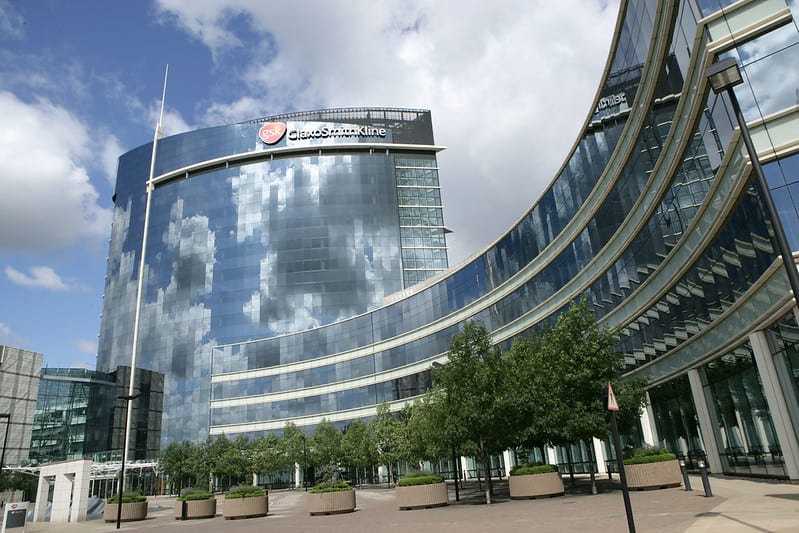
GSK and ABL Bio have entered into an agreement worth over £2bn to develop new drugs for neurodegenerative diseases.
The global licensing deal will allow GSK to use ABL Bio’s blood-brain barrier (BBB) shuttle platform, Grabody-B, to develop multiple programmes for targets across therapeutic modalities such as antibody, polynucleotide and oligonucleotides.
Neurodegenerative diseases, including dementia, Parkinson’s disease and motor neurone disease, are incurable conditions that result in the progressive degeneration or death of nerve cells.
Their prevalence is rapidly increasing due to the ageing of the population, with dementia alone expected to affect more than one million people in the UK by 2030.
The BBB, a natural protective barrier that stops harmful substances and agents from entering the brain, is considered to be a significant obstacle in the development of treatments for neurological diseases due to the restriction it places on drug delivery.
ABL Bio’s Grabody-B is designed to facilitate drug penetration across the BBB and enable efficient delivery into the brain by targeting the insulin-like growth factor 1 receptor.
Under the terms of the agreement, ABL Bio will transfer its Grabody-B-related technology and knowledge to GSK, which will be responsible for preclinical and clinical development, manufacturing and commercialisation.
In exchange, ABL Bio will receive up to £77.1m in upfront and near-term payments, and will be eligible for up to £2.075bn in milestone payments across multiple potential programmes, as well as tiered royalties on future net sales.
Christopher Austin, senior vice president of research technologies at GSK, said: “Many of the most promising new therapies are antibodies, which cannot efficiently reach the brain without a shuttle to get them across the BBB.
“This agreement reflects our commitment to innovative platform technologies to overcome the BBB and thus open entirely new opportunities for treating these devastating diseases…”
Also commenting on the agreement, ABL Bio’s chief executive officer, Sang Hoon Lee, said: “Given the increasing number of patients suffering from neurodegenerative diseases such as Alzheimer’s and Parkinson’s diseases, we hope this partnership will accelerate the development of innovative treatments and bring renewed hope to patients worldwide.”