



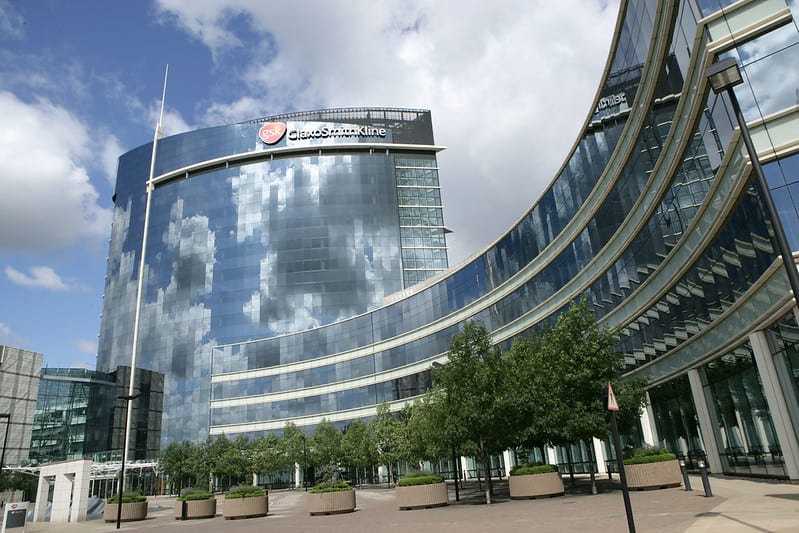
GSK has shared positive results from a late-stage study of its severe asthma therapy Nucala (mepolizumab) in chronic obstructive pulmonary disease (COPD).
The phase 3 MATINEE trial enrolled adults with broad clinical presentations of chronic bronchitis, emphysema, or both, who were receiving optimised inhaled maintenance therapy.
Patients were also required to have evidence of type 2 inflammation, characterised by raised blood eosinophil count, and were randomised to receive Nucala or placebo for one to two years.
The trial met its primary endpoint, with Nucala plus inhaled maintenance therapy demonstrating a statistically significant and clinically meaningful reduction in the annualised rate of moderate or severe exacerbations versus placebo.
The preliminary safety results were consistent with the known safety profile of Nucala, GSK said, outlining that further analysis of this data is ongoing.
More than 300 million people globally are affected by COPD, a chronic respiratory disease that causes progressive lung function decline, and up to 40% of patients exhibit type 2 inflammation that drives exacerbations.
Nucala is designed to target interleukin-5, a key messenger protein in type 2 inflammation, and was first approved in 2015 to treat severe asthma patients with an eosinophilic phenotype. The drug has since been authorised for use in chronic rhinosinusitis with nasal polyps, eosinophilic granulomatosis with polyangiitis, and hypereosinophilic syndrome, but is not currently indicated for COPD.
GSK said the full results of MATINEE will be presented at a future scientific congress and will “inform ongoing discussions with regulatory authorities”.
The announcement comes just over three months after the company shared positive headline results from two late-stage studies of its “ultra-long-acting” biologic, depemokimab, in patients with severe asthma.
The SWIFT-1 and SWIFT-2 trials, which have been evaluating the efficacy and safety of the candidate in adults and adolescents with severe cases of the lung condition and type 2 inflammation, both met their primary endpoints of a reduction in the annualised rate of clinically significant exacerbations over one year for patients receiving depemokimab compared to placebo.
An additional study is underway to assess depemokimab in severe asthma patients who are switched from Nucala or AstraZeneca’s Fasenra (benralizumab).