




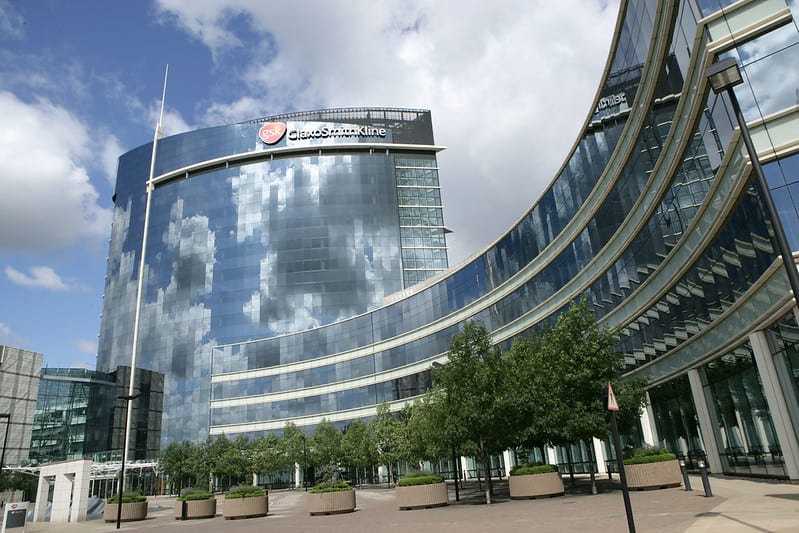
GSK has shared positive headline results for its mRNA seasonal influenza vaccine and outlined that it will now progress the programme into late-stage clinical development.
The phase 2 NCT06431607 study has been evaluating different dose levels of a modified, multivalent vaccine candidate against age-appropriate, approved vaccine comparators in 250 healthy adults aged 18 to 64 years and the same number of healthy older adults aged 65 to 85 years.
Results showed that a vaccine formulation generated positive immune responses against both influenza A and B strains compared to standard of care in younger and older adults.
Interim data also suggested that the vaccine candidates have “an acceptable safety and reactogenicity profile” for all mRNA formulations tested, according to GSK.
The company’s chief scientific officer, Tony Wood said: “This marks a significant advancement in our mRNA programme and these data support moving into late-stage development.
“Ultimately, our goal is to develop a new best-in-class vaccine to bring greater protection to people through the influenza season.”
The programme is based on CureVac’s second-generation mRNA backbone and was being developed under GSK and CureVac’s infectious disease vaccines alliance.
The partners signed a new licensing agreement in July, which gave GSK full control of developing and manufacturing the programme, alongside other vaccine candidates developed under the collaboration.
Myriam Mendila, chief scientific officer of CureVac, said: “The positive phase 2 results once again highlight the immense potential of our second-generation mRNA backbone to develop best in class vaccines against influenza and other infectious diseases.
“We are strongly encouraged by a positive response against influenza A strains but particularly excited about adequate immune responses against influenza B.”
The results come just days after GSK announced promising late-stage results for its “ultra-long-acting” biologic, depemokimab, in severe asthma exacerbations.
The duplicate phase 3 SWIFT-1 and SWIFT-2 trials, which have been evaluating the efficacy and safety of the candidate in adults and adolescents with severe cases of the lung condition and type 2 inflammation, both met their primary endpoints of significant reductions in the annualised rate of clinically significant exacerbations over 52 weeks versus placebo.