



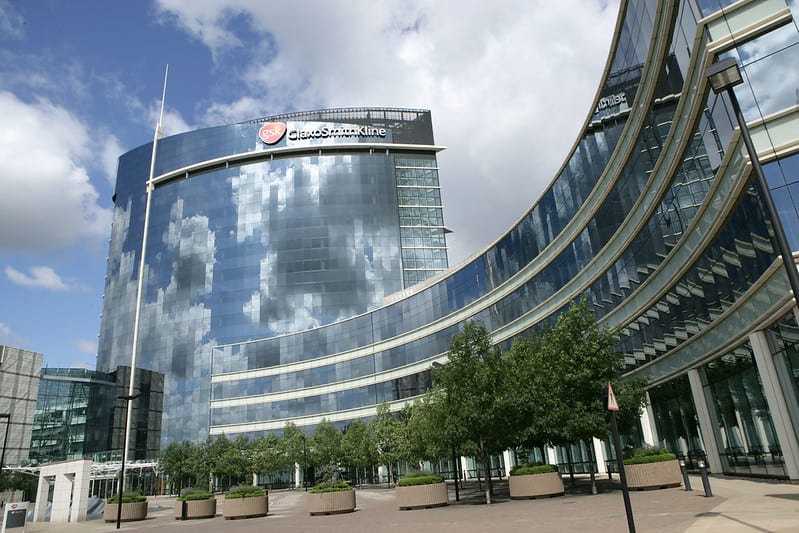
GSK’s respiratory syncytial virus (RSV) vaccine has been recommended by the European Medicines Agency’s human medicines committee for use in adults aged 50 to 59 who are at an increased risk of RSV-caused lower respiratory tract disease (LRTD).
The Committee for Medicinal Products for Human Use’s (CHMP) positive opinion comes just over a year after Arexvy was approved by the European Commission for use in adults aged 60 years and older.
If granted expanded marketing authorisation by the regulator, Arexvy will be the first RSV vaccine available in Europe for higher-risk adults aged 50 to 59 years.
RSV is a common respiratory virus characterised by several mild, cold-like symptoms. Although most people can recover within a week or two, certain adults are at increased risk for severe illness due to comorbidities, immunocompromised status or advanced age.
The virus can worsen conditions including chronic obstructive pulmonary disease, asthma and chronic heart failure, and can lead to severe outcomes such as pneumonia, hospitalisation and death.
GSK’s Arexvy contains a protein from the surface of the RSV virus and teaches the immune system how to defend itself against disease.
The CHMP’s latest recommendation was supported by positive results from a late-stage trial evaluating the immune response and safety of Arexvy in adults aged 50 to 59 years, including those at an increased risk for RSV-LRTD due to underlying medical conditions.
The decision comes less than two months after Arexvy was approved by the US Food and Drug Administration, also for use in adults aged 50 to 59 who are at an increased risk of RSV-caused LRTD.
Tony Wood, GSK’s chief scientific officer, said the US regulator’s decision reflected “the importance of broadening the benefits of RSV immunisation” to this patient population.
“For those with underlying medical conditions, RSV can have serious consequences, so we are proud to be the first to help protect them from RSV-LRTD,” he said at the time.
GSK has filed regulatory submissions to extend the use of the vaccine to higher-risk adults aged 50 to 59 in other markets and is also evaluating the vaccine in younger populations, including in adults aged 18 to 49 years with certain underlying medical conditions.