




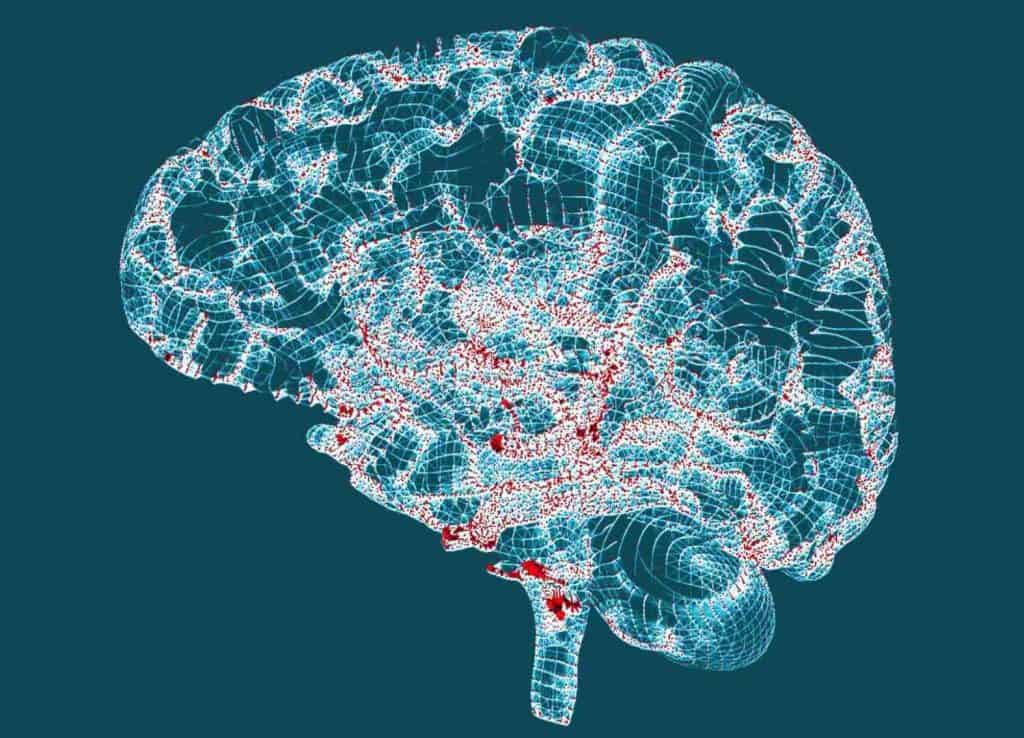
A new study led by researchers from Mayo Clinic is investigating artificial intelligence (AI) and brain waves for the early diagnosis of neurodegenerative diseases.
The team utilised AI with routine electroencephalogram (EEG) tests to help diagnose Alzheimer’s disease (AD) and other neurological disorders.
Affecting more than 55 million people worldwide, dementia is a progressive neurodegenerative condition that affects the ability to remember, think or make decisions in everyday life.
EEG tests look at the brain waves of patients living with neurologic problems. “These waves… slow down [and]… look… different in people who have cognitive problems,” explained senior author of the study, Dr David Jones, neurologist, Mayo Clinic.
By using AI to review EEG tests, early evaluations of AD and other neurodegenerative diseases could become more accessible.
Researchers studied 12,176 routine, standard ten to 20 scalp EEGs of 11,001 patients and developed an algorithm based on posterior alpha activity and eye movement to automatically select awake-eyes-closed epochs and estimate the average spectral power density (SPD) between one and 45Hz for each channel.
The team then designed a 3D tensor and applied a canonical polyadic decomposition to extract the top six factors and further evaluated them with patients with cognitive impairment or dementia due to AD and dementia with Lewy bodies, as well as similarly aged cognitively normal controls, using a Naïve Bayes classification approach.
They found that these factors were biologically meaningful in terms of brain activity, including posterior alpha rhythm, anterior delta/theta rhythms, and centroparietal beta, which correlated with patient age and EEG dysthymia grade.
In addition, these factors successfully distinguished patients from controls with a moderate-to-high degree of accuracy, as well as AD dementia from dementia with Lewy bodies, with relevant EEG features correlating with cognitive test performance, PET metabolism and CSF AB42 measure in the AD group.
“We do believe diagnosing [neurological diseases] early and accurately is one of the best ways to provide the best possible medical care,” said Jones.
With further development, this method could help to improve the clinical use of EEG in memory care by assessing the early identification of mild cognitive impairment and differentiating between different neurodegenerative causes of cognitive impairment.