




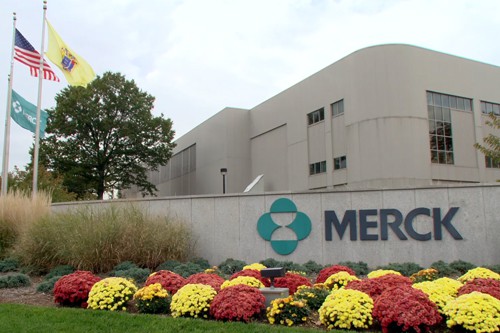
Merck & Co – known as MSD outside the US and Canada – and Daiichi Sankyo have announced that a late-stage trial of patritumab deruxtecan in non-small cell lung cancer (NSCLC) met its primary endpoint of progression-free survival (PFS).
The phase 3 HERTHENA-Lung02 study has been evaluating the HER3-directed antibody drug conjugate (ADC) in patients with locally advanced or metastatic epidermal growth factor receptor (EGFR)-mutated NSCLC who have previously received EGFR tyrosine kinase inhibitor (TKI) treatment.
Results demonstrated a statistically significant improvement in PFS compared to a regimen of platinum plus pemetrexed induction chemotherapy followed by pemetrexed maintenance chemotherapy, the partners said, adding that the trial will continue to further assess the secondary endpoint of overall survival.
NSCLC accounts for approximately 85% of all lung cancer cases, and EGFR-activating mutations occur in up to 38% of all NSCLC tumours globally.
Despite initial treatment with an EGFR TKI, many patients with metastatic EGFR-mutated NSCLC experience disease progression, and currently available therapies in the second-line setting are limited.
Ken Takeshita, global head, research and development, Daiichi Sankyo, said: “These results from HERTHENA-Lung02 demonstrate the potential of patritumab deruxtecan to become an important treatment option for certain patients with EGFR-mutated NSCLC with prior TKI treatment.
“We plan to share these findings with regulatory authorities to discuss next steps.”
The companies began collaborating on patritumab deruxtecan last year after Merck paid Daiichi Sankyo $4bn upfront to jointly develop three of its ADC candidates, all in various stages of clinical development to treat multiple solid tumours as monotherapies and/or in combination with other treatments.
The partners’ latest announcement comes less than three months after the US Food and Drug Administration (FDA) declined to approve patritumab deruxtecan for adults with locally advanced or metastatic EGFR-mutated NSCLC who had received at least two prior systemic therapies.
Takeshita said in response to the regulator’s complete response letter, which did not identify any issues with the efficacy or safety data submitted in the application: “We will work closely with the FDA and the third-party manufacturer to address the feedback as quickly as possible in order to bring the first HER3-directed medicine to patients with previously-treated EGFR-mutated NSCLC cancer.”