



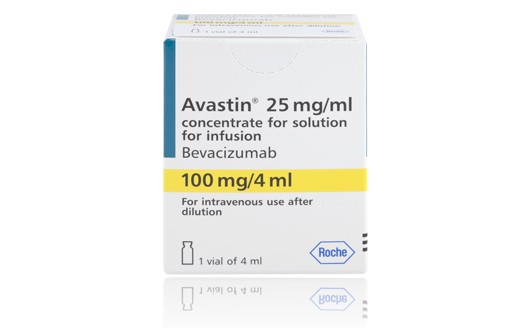
A new study of Roche’s Avastin has shown the drug can extend progression-free survival (PFS) by more than four months when added onto standard therapy for an aggressive form of brain cancer.
The AVAglio trial found that adding Avastin (bevacizumab) to radiation and temozolomide chemotherapy reduced the risk of cancer progression by 36 per cent, extending PFS from 6.2 months with placebo to 10.6 months, in newly-diagnosed glioblastoma patients.
Roche’s drug also had significant benefits on health-related quality of life measures – such as allowing patients to live independently for longer – and reduced use of concomitant therapies such as corticosteroids.
Avastin is already approved in Europe to treat colorectal cancer, breast cancer, lung cancer, kidney cancer and ovarian cancer, and is available in the US for colorectal cancer, non-small cell lung cancer and kidney cancer and also as a monotherapy for glioblastoma that has progressed despite prior treatment.
“People with newly diagnosed glioblastoma have few treatment options and need new medicines,” said Hal Barron, Roche’s chief medical officer and head of global product development, adding the plans to discuss the results with regulatory authorities.
Generic versions of temozolomide currently dominate the market, but prognosis for patients remains poor, particularly for those with glioblastoma.
Decision Resources has predicted that Avastin will help drive the market for glioblastoma to $1.8bn in 2017 among the seven largest pharma markets, although it believes the drug is already used quite extensively off-label.
Other therapies for glioblastoma coming through the pipeline include Celldex Therapeutics immunotherapy rindopepimut (CDX-110) – formerly partnered with Pfizer – and Merck Serono’s integrin inhibitor cilengitide, both of which are in phase III development.
Glioblastomas are the most common and deadliest type of primary brain tumour, afflicting an estimated 10,000 patients each year in European Union (EU) member countries.