



Researchers from the Wellcome Sanger Institute, the Institute of Cancer Research and the University of Cambridge have identified thousands of high-risk cancer gene variants, along with a potential therapeutic target to treat or prevent the development of these cancers.
Findings from the study published in Nature Genetics are available to doctors to help diagnose patients and select the most effective therapies for them.
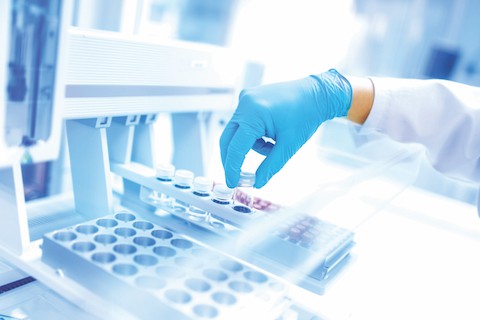
Researchers tested more than 18,000 DNA changes in the BAP1 gene, a ‘tumour protection’ protein that protects against cancers of the eye, lung lining, brain, skin and kidney, by artificially altering dish-grown human cells’ genetic code.
For individuals with inherited variants that can disrupt the protein, there is an increased risk of up to 50% of developing these cancers, typically occurring around middle age.
In total, the team identified 5,665 harmful changes that disrupted the protein’s protective effects, which was confirmed after analysing UK Biobank data, when more than 10% of individuals carrying these harmful BAP1 variants were more likely to be diagnosed with cancer than the general population.
In addition, researchers found that people with harmful BAP1 variants had increased levels of IGF-1, a hormone linked to cancer growth and brain development, in their blood, suggesting that it could be a potential target for new treatments to slow down or prevent certain cancers.
Furthermore, analysis revealed that harmful BAP1 variants and higher IGF-1 levels were associated with worse outcomes in patients with uveal melanoma, a rare cancer that causes melanin in the uvea or uveal tract of the eye, further highlighting the potential for IGF-1 inhibitors in cancer therapy.
First author of the study, Dr Andrew Waters of the Wellcome Sanger Institute, commented: “Our approach provides a true picture of gene behaviour… [and] opens up new possibilities for understanding how these changes drive disease.”
Dr David Adams, senior author of the study at the Wellcome Sanger Institute, said: “Our aim is to apply this technique to a wider range of genes, potentially covering the entire human genome in the next decade with the Atlas of Variant Effects.”