




Making a difference with patient support
April 8, 2020 | Bedrock, Bedrock Group, Bedrock Healthcare, Case study, Cystic fibrosis, Insights, Marketing, Medical Communications, Origins, Origins Healthcare, PSP, PSPs, Patient Support Programmes, Patient Support Programs, Pharma, adherence, healthcare, patient experience, patient support
A clear understanding of the patient journey and experience is pivotal in designing patient support programmes

Given that healthcare service providers and patients themselves now expect more from pharma than being simple providers of medication, added-value services such as patient support programmes (PSPs) have become an expectation, not a bonus. So, how can pharmaceutical companies ensure that their PSPs have the greatest impact?
The answer lies in the methodology. The specific implementation of a PSP and its key deliverables will depend on the therapy area, the drug and the audience. This means there is never a ‘one-size fits all’ approach. In order to design the right support programme, it is important to understand the audiences and stakeholders that will benefit from it. What are the reasons that patients do not currently adhere to their medication? What behaviours need to change in order to optimize the HCP-patient relationship? What challenges do the patients experience that are not currently being met? What communication channels do patients in this area prefer?
Well-executed PSPs offer a number of opportunities, including:
- Improving patient adherence and overall patient care
- Improving the dialogue between HCP and patient
- Empowering the patient
- Providing a stepping-stone to personalised medicine
- Reassuring HCPs that the treatment is a both viable option for the patient and that it is adequately supported
The right methodology
It is important to note that a PSP is not just about creating materials for patients, but more often involves the development of integrated solutions for doctors, nurses and other carers. Our approach to PSPs starts with driving a deep understanding of the various audiences’ needs. Bedrock’s new health experience agency, Origins, conducts ethnographic research and online intelligence gathering to obtain qualitative insights.
These insights enable the team to develop a communications strategy with appropriate tactics and delivery formats. Each programme has its own set of key performance indicators, for future analysis and refinement over time.
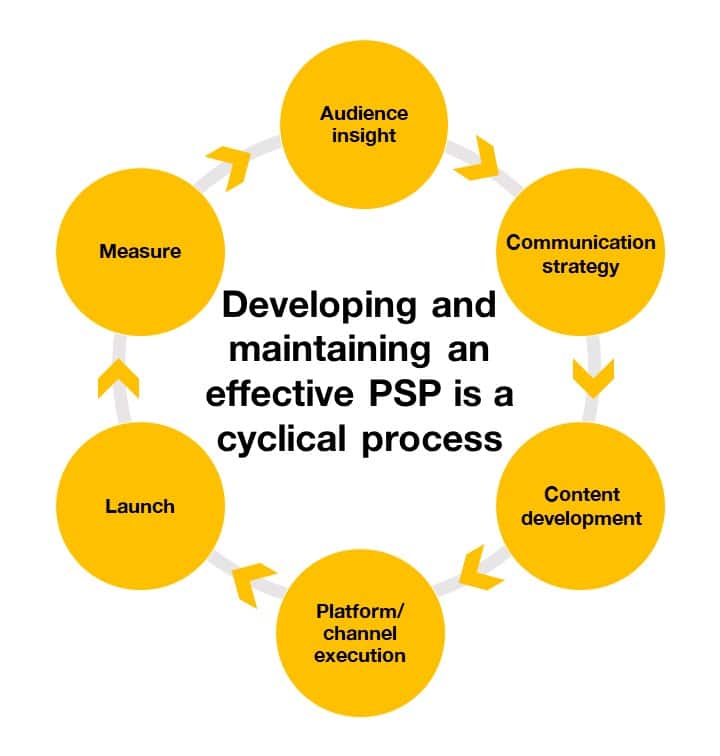
Using this approach we have developed multiple successful patient support initiatives. These range from bespoke patient-led online resources, eDiary applications for rare hereditary diseases, through to a joint programme for HCPs and patients delivered through video, and print-based tactics to aid the use of a medical device.
Case Study
Problem
When one of Bedrock’s clients challenged us to design a programme for people with cystic fibrosis, we looked at the whole picture. Who in the multi-disciplinary team needs to be involved to ensure patients receive the support they need? Often physiotherapists, nurses and patients require specific training to ensure that medications are used effectively. As well as taking in account the patient perspective, the information provided had to be suitable for HCPs to help inform, engage and educate.
Solution
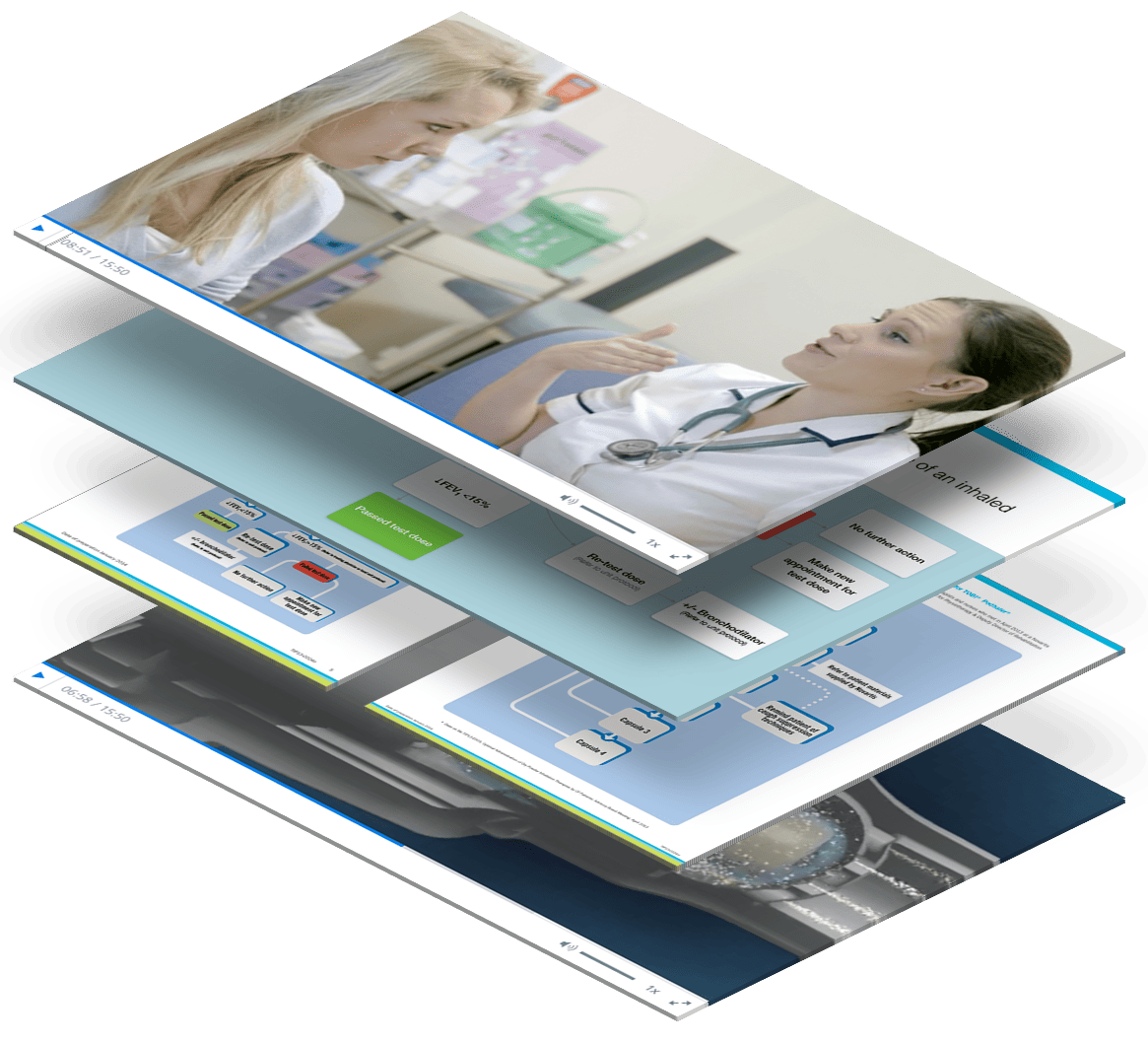
The solution was to create a complete communications programme. It included materials to educate the patient on how to use their device/drug correctly; ensuring that the physiotherapist and nurse were able to teach and advise the patient on the correct technique, a mode of action animation which complimented the instructional video, clinical and test algorithms, and a host of printed materials.
Result
With a high download rate and improved patient adherence, feedback from HCPs and the client was overwhelmingly positive.
This is just one example of how together, Bedrock and Origins deliver truly patent-centric PSPs. Contact the Bedrock Group to see how Origins can help you gain a deeper understanding of your audiences in order to make a real difference to patient well-being.
This content was provided by Resonant Group
Company Details

Latest Content from Resonant Group
When it’s OK to not be OK: Bedrock breaks down mental health stigma
As part of Bedrock’s Wellbeing Programme, Bedrock paired up with Simpila to talk about mental health challenges and open up about the pressures we all face, both in and out...
Bedrock creates waves
The Bedrock team were awash with ideas at their summer watersports and BBQ event. All were Bravely Bedrock in a host of activities – including wakeboarding, paddle boarding and taming...
Bedrock LEAPs to new heights
What do our future leaders say about LEAP?
Bedrock Group strengthens its senior team
Bedrock strengthen its management team with the recruitment of two senior roles
A postcard from Cannes
This week sees the annual Cannes Lions International Festival of Creativity, bringing together leading creative talent from across the globe to learn, share and inspire each other. Until recently, pharmaceuticals...
A variety of backgrounds, a unified purpose
How did Bedrock become Bedrock? We asked members of the Bedrock team how they found their way into the (somewhat hidden) world of medical communications, and what they love about...
Wanda Lesowiec did it. Could you?
How a background in pharma can mean a bright future in medical communications
Am I wrong to be apprehensive about gene therapy?
Is the introduction of gene therapy going to be smooth sailing? Origin's Strategic Solutions Director, Su Smith, shares her thoughts.
Bedrock Group announces the launch of Origins, a health experience research company
Bedrock Group is proud to announce the launch of Origins, a health experience research company.
Artificial Intelligence: a new character in the storytelling of drug development and discovery?
Written by Edward Jones, Junior Medical Writer. Bedrock is dedicated to creating valuable and powerful stories to engage audiences that drive an improvement in the provision of health. This focus...