



From cloudy to clear: visualising complex data privacy information
April 17, 2026 | clinical trials, communication, health literacy
Discover how clear communication principles can transform complex clinical research topics, as we conclude our Health Literacy series with a practical example on participant data transparency.

For the final instalment of our Health Literacy series, we’re sharing another example of how we apply clear communication principles in practice. Here, we explore how we approached a crucial topic in clinical research: participant data.
Medical data is private – it’s sensitive and not something you want to share with strangers. The lack of transparency around how clinical trial data is stored and used can be a major barrier to participation, particularly for underrepresented communities.
We understand the complexity that comes with this topic. There are so many regulations, nuances, and technicalities to consider, which often means the information reads like a Terms & Conditions page. Although the reader has been “informed”, have they really read it? And more importantly, do they really understand?
Our “before” and “after” example shows how a simple flow diagram can help to translate this critical information so anyone can understand how their personal data may be shared.
Before:
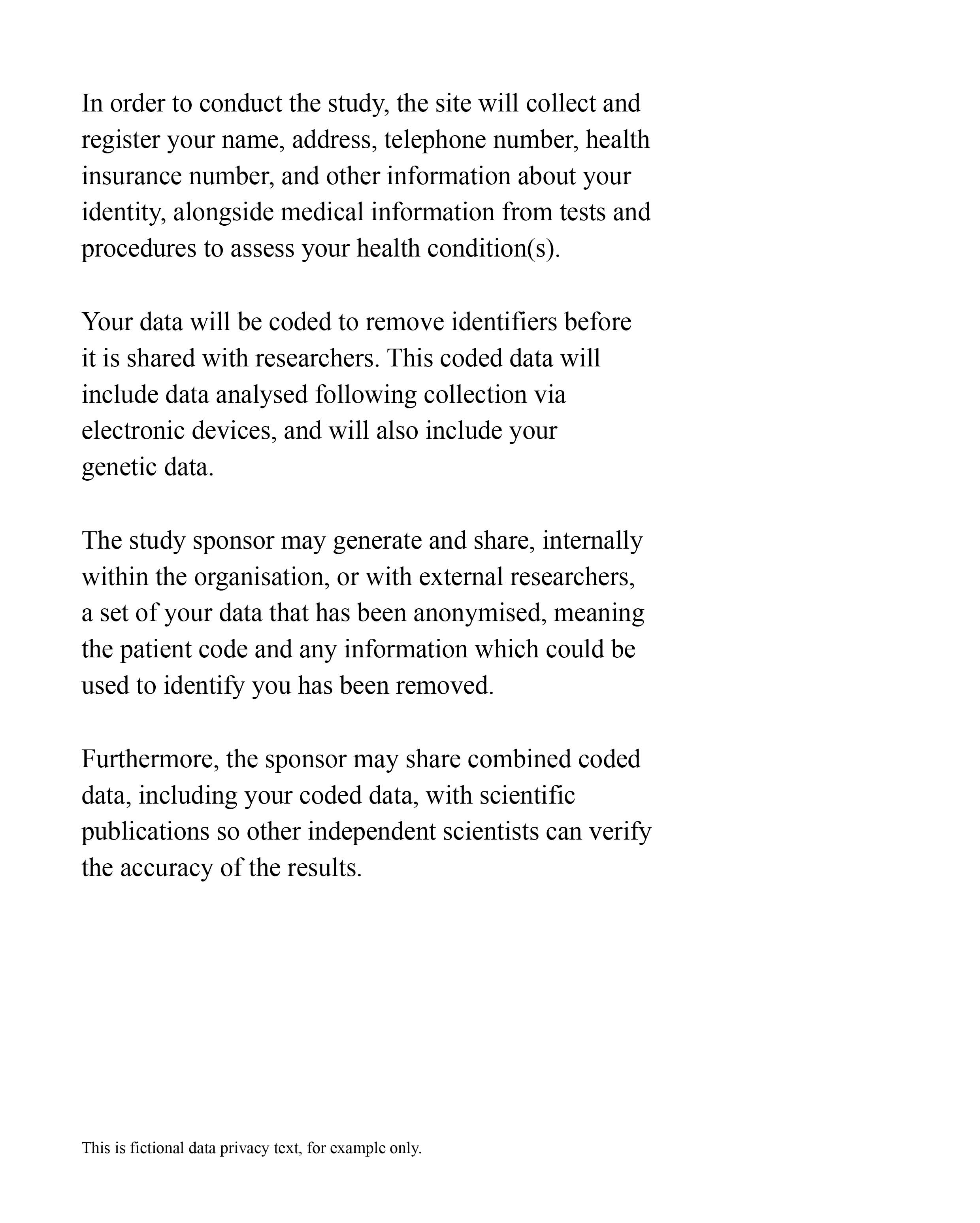
The language is contractual and uses technical terms withoutcontext. It’s difficult to know what data your doctor, a researcher, or thebroader scientific community might be able to see.
After:
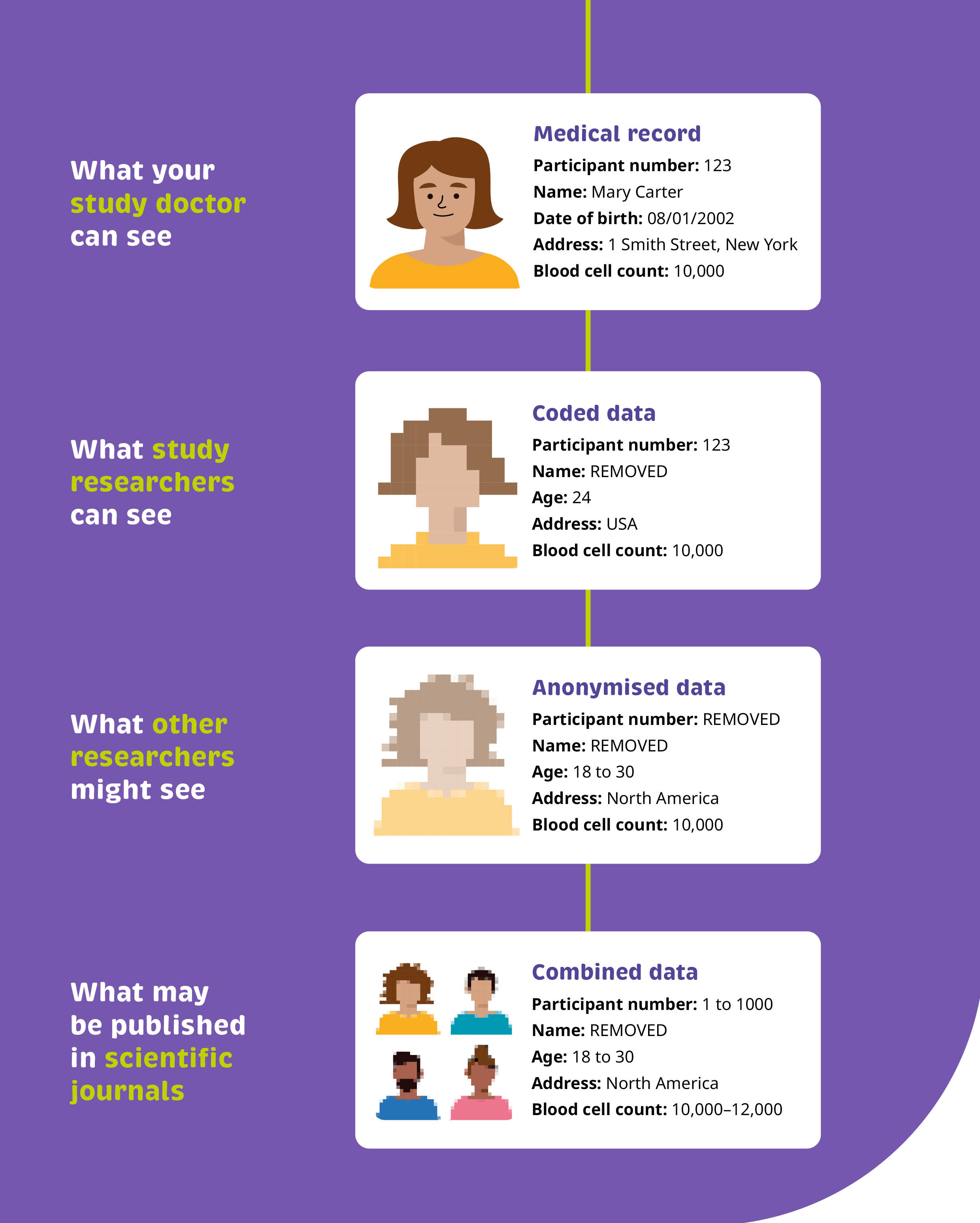
We’ve broken this information down into a flow diagram, clearly calling out the steps in place to ensure personal data are not identifiable. We made use of visual cues to emphasise that the data becomes more difficult to identify when it is processed and shared. Finally, using real examples of the types of data that may be collected helps provide the transparency readers are looking for.
Ultimately, we’ve provided a clear, visual commitment, supported with examples, to illustrate exactly how readers can expect their personal data to be used.
Clear communication about participant data isn’t just a regulatory requirement – it’s essential for building trust in clinical research. By presenting complex information in ways that people can easily understand, we can help more participants make informed decisions about taking part in clinical trials.
This content was provided by Cuttsy + Cuttsy
Company Details

Latest Content from Cuttsy + Cuttsy
A patient view on the ABPI’s patient collaboration sourcebook
Last month, the ABPI released a much-in-demand document: The Working with Patients and Patient Organisations sourcebook.
The Exhibition Hall: Past, Present and Future
As I sit here at another pharma conference, I start to reflect on how they have changed over the years.
Cuttsy+Cuttsy awarded CPD Platinum by the IPA
Four years after being awarded Gold for their continuous professional development (CPD) Cuttsy+Cuttsy (C+C) have reached another milestone and been awarded Platinum accreditation.
Clinical Trials Materials: Getting the Basics Right
For those unfamiliar with them, clinical trials can be rather bewildering. This presents problems when it comes to recruiting patients — how can we make sure they understand what they…
Cuttsy+Cuttsy named one of the Best Places to Work 2019 by Campaign
11 March 2019—Cuttsy+Cuttsy are honoured and extremely proud to be named one of the 50 Best Places to Work in 2019 by Campaign. The results were announced on 6th March…
Rare Disease Day 2019
Today is #RareDiseaseDay and is an opportunity to highlight some truly unbelievable/frightening statistics around rare diseases.
Health Literacy in Practice: Doctor’s Letter
If a patient was given their results directly, how could we make it into something they could understand and, most importantly, act on?
International Childhood Cancer Day 2019
The number of new cases per year is shocking but the journey and the outlooks have vastly improved. We’ve pulled together an infographic to show just what we mean with…
Can wearables really transform healthcare?
The impact of wearables on our health or simply a fad? Author: Russell Ings
Season’s Greetings
Do you have Tinsilitus?