



From cloudy to clear: visualising complex data privacy information
April 17, 2026 | clinical trials, communication, health literacy
Discover how clear communication principles can transform complex clinical research topics, as we conclude our Health Literacy series with a practical example on participant data transparency.

For the final instalment of our Health Literacy series, we’re sharing another example of how we apply clear communication principles in practice. Here, we explore how we approached a crucial topic in clinical research: participant data.
Medical data is private – it’s sensitive and not something you want to share with strangers. The lack of transparency around how clinical trial data is stored and used can be a major barrier to participation, particularly for underrepresented communities.
We understand the complexity that comes with this topic. There are so many regulations, nuances, and technicalities to consider, which often means the information reads like a Terms & Conditions page. Although the reader has been “informed”, have they really read it? And more importantly, do they really understand?
Our “before” and “after” example shows how a simple flow diagram can help to translate this critical information so anyone can understand how their personal data may be shared.
Before:
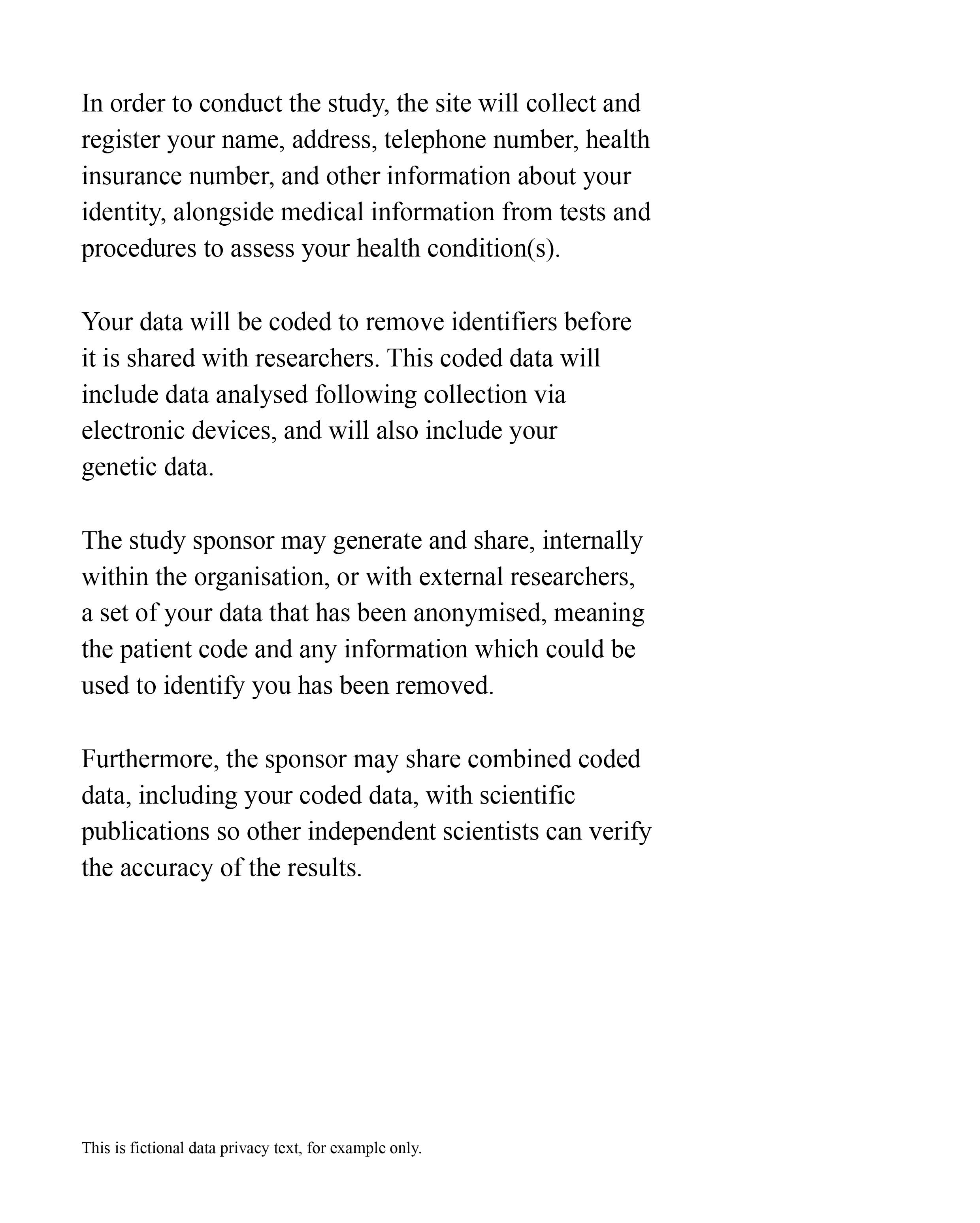
The language is contractual and uses technical terms withoutcontext. It’s difficult to know what data your doctor, a researcher, or thebroader scientific community might be able to see.
After:
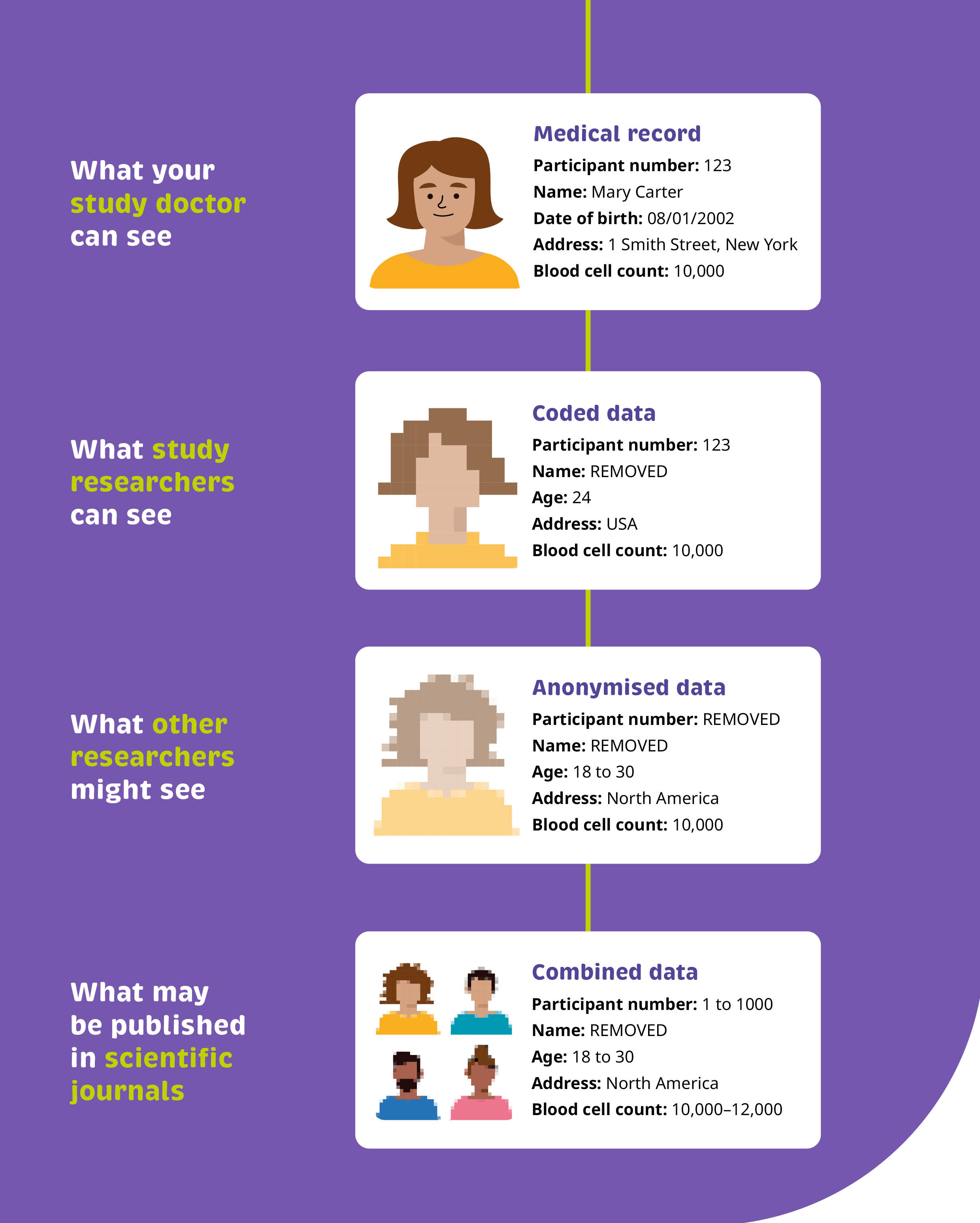
We’ve broken this information down into a flow diagram, clearly calling out the steps in place to ensure personal data are not identifiable. We made use of visual cues to emphasise that the data becomes more difficult to identify when it is processed and shared. Finally, using real examples of the types of data that may be collected helps provide the transparency readers are looking for.
Ultimately, we’ve provided a clear, visual commitment, supported with examples, to illustrate exactly how readers can expect their personal data to be used.
Clear communication about participant data isn’t just a regulatory requirement – it’s essential for building trust in clinical research. By presenting complex information in ways that people can easily understand, we can help more participants make informed decisions about taking part in clinical trials.
This content was provided by Cuttsy + Cuttsy
Company Details

Latest Content from Cuttsy + Cuttsy
Patients as Partners – putting people first in clinical trials
Cuttsy+Cuttsy’s key takeaways from the Patients as Partners conference 2023
What are the ingredients for a perfect partnership?
Perfect partnerships can take many forms. Just like avocado and toast or tea and biscuits, all good on their own, but better together.
Cuttsy Cares Continues…
Cuttsy+Cuttsy’s charitable programme — Cuttsy Cares — has been running for the past 2 years, providing the team with the opportunity to support causes close to their hearts.
B-lown away by our first CDP rating
A catch up with Louise Jones, Cuttsy+Cuttsy’s sustainability officer, on what was achieved in 2022, the agency’s latest environmental assessment with CDP and a look ahead to 2023.
Cuttsy+Cuttsy campaign takes health literacy to the North Pole
Our 2022 Christmas campaign saw Santa’s agency elves creating tailored materials for patients. But were the examples guided by the principles of health literacy? Were they naughty or nice?
Celebrating award-winning patient-centricity
Every year, Cuttsy+Cuttsy choose to sponsor ‘Patient Programmes’ at the PM Society Digital awards. Here’s why.
Cuttsy+Cuttsy’s first EcoVadis rating comes back silver!
Louise Jones, Sustainability Officer at Cuttsy+Cuttsy celebrates their new silver sustainability rating
Cuttsy+Cuttsy gain highly regarded PIF Partner status
As official PIF Partners, Cuttsy+Cuttsy will be supporting the Patient Information Forum raise awareness of the PIF TICK.
Serious about sustainability?
Get to know our new Sustainability Officer here at Cuttsy+Cuttsy
Cuttsy+Cuttsy are named as one of the Best Places to Work
Campaign Magazine have released its 2022 ranking for the best places to work and Cuttsy+Cuttsy have come in right at the top at No.3.