




The gap between hype and reality, what patients really say about weight loss drugs
April 27, 2026 | Reddit, Social Listening, symptoms, weight loss
Explore real patient conversations about weight loss drugs, uncovering challenges, support strategies, and the critical need for clear, reliable healthcare communication.
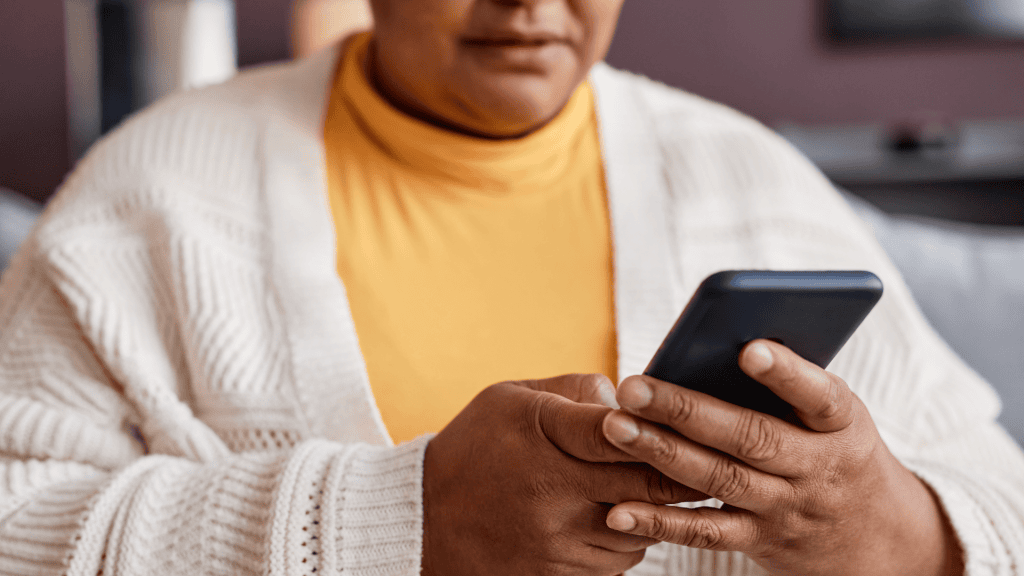
With millions of people already using GLP-1–based treatments, weight loss drugs are transforming healthcare.1 But starting a new medication is rarely simple – patients may have questions and feel unsure about their treatment, and many turn to the internet for answers.
As medical communicators, we need to understand what patients are really talking about when clinicians aren’t in the room. By listening to their honest, unfiltered conversations, we can better support them with timely, accurate information and help them recognise when online advice may not be medically reliable.
How we listened to the patient voice
To understand how people really feel about weight loss drugs, we looked at conversations on Reddit.* Here, people speak openly about what’s working, what isn’t, and how these treatments fit into their daily lives – in their own words, not in clinical terms.
While these are anonymous, self selecting voices, the repeated concerns and questions offer a valuable real-world perspective on patient experience.
Three clear themes we couldn’t ignore
1. The early weeks are challenging
The adjustment period is often the hardest. Many describe sudden nausea, diarrhoea, or constipation that disrupt daily routines. For some, symptoms become practical barriers (“I can’t be running to the bathroom all day”); others avoid eating out or even cooking when food itself triggers queasiness. The challenge isn’t just the symptom – it’s how much it interferes with daily life.
2. Finding comfort in small lifestyle changes – and each other
People don’t just share their struggles, they also share what helps: smaller meals, gentle foods, eating slowly, and staying hydrated are commonly discussed. There is also a strong sense of peer support, with many valuing lived experience alongside clinical advice.
3. Fear of serious side effects
Some side effects are easier to manage, but many understandably worry about those that feel more serious. Although rare, these side effects can still feel frightening, highlighting how much patients rely on other people’s experiences to understand what’s “normal” and when to seek help.
Why clear support matters
When patients go online to make sense of their experiences, they’re likely to encounter mixed advice. These conversations don’t just highlight what patients experience, they reveal where support is falling short, and where healthcare professionals have an opportunity to step in more effectively.
HCPs who make space for honest, sometimes difficult conversations help patients feel understood and supported, turning appointments into true partnerships.
What’s clear is that patients don’t just need and want access to information – they need support that is practical, timely, and easy to navigate. This is particularly important during the early stages of treatment, where side effects and uncertainty can feel overwhelming.
Many are also looking for guidance on the day-to-day realities of treatment, from managing symptoms to adapting routines and diet. Alongside this, reassurance plays a key role, helping patients to understand what’s expected, what isn’t, and when to seek medical advice.
As online conversations continue to shape perceptions, there is a growing need to support patients in identifying reliable information and avoiding misinformation. Strengthening both sides of the relationship – through accessible, empowering patient information and confident, compassionate HCP communication – can reduce uncertainty, minimise the impact of misinformation, and build the foundations for long-term treatment adherence.
As this field continues to evolve, bringing together real-world patient insights with a strong understanding of the obesity treatment landscape will be key to supporting patients and healthcare professionals in a more meaningful way.
Interested in how social listening could support your trials or patient engagement? We’d be happy to talk.
*We reviewed 1000 recent posts and comments, as of 17 December 2025, from four active Reddit communities, r/WegovyWeightLoss, r/MounjaroUK, r/Mounjaro, and r/Ozempic. These discussions were analysed to identify common themes and shared patient sentiment. As the data comes from self-selected, anonymous users, it is not statistically representative, but it offers a real-time view of patient experiences and concerns.
Reference
- Jackson SE, Brown J, Llewellyn C., et al. BMC Med. 2026;24:1.
This content was provided by Cuttsy + Cuttsy
Company Details

Latest Content from Cuttsy + Cuttsy
Why faster trials make participant understanding more important than ever
As clinical trials accelerate, clear, accessible consent is essential to help participants understand, engage with and remain in a study.
Older trial participants reject bad design, not technology
Older trial participants aren’t rejecting digital technology — they’re rejecting poorly designed, inaccessible experiences that make participation harder.
5 key takeaways from the Patient Centricity and Engagement Conference
Key takeaways from the Patient Centricity and Engagement conference, exploring how trust, inclusion and meaningful partnership can help turn patient engagement from intention into action.
It’s time to stop calling adverse events ‘manageable’
A single word—manageable—can minimise the real burden of treatment side effects, and it’s time clinical trial communication reflected patients’ lived experience more clearly.
The value: why localisation pays off across global trials
Strong localisation reduces trial friction, supports site teams, improves participant understanding and helps global studies run more smoothly, fairly and efficiently.
The solution: Good localisation doesn’t feel translated
Learn what good localisation looks like in clinical trials and why participant-facing materials should feel naturally relevant, culturally appropriate and easy to understand across every market.
Healthcare information is becoming easier to access. Trust isn’t.
Sharing key insights from NEXT Pharma Summit on why trust, clarity and human-centred communication matter more than ever in healthcare.
It was never reluctance: What ASCO 2026 revealed about clinical trial recruitment
ASCO 2026 highlighted that low clinical trial recruitment is driven less by patient reluctance and more by gaps in awareness, communication, accessibility and patient education.
Where translation falls short in practice
Discover why translation alone is not enough in global clinical trials and how expert localisation improves participant understanding, trust and engagement.
Where it all began – why we developed The Experience Gap
Learn how The Experience Gap was developed to help sponsors, CROs and site teams improve clinical trial participation by identifying friction points, enhancing patient experience, and driving better recruitment and…