



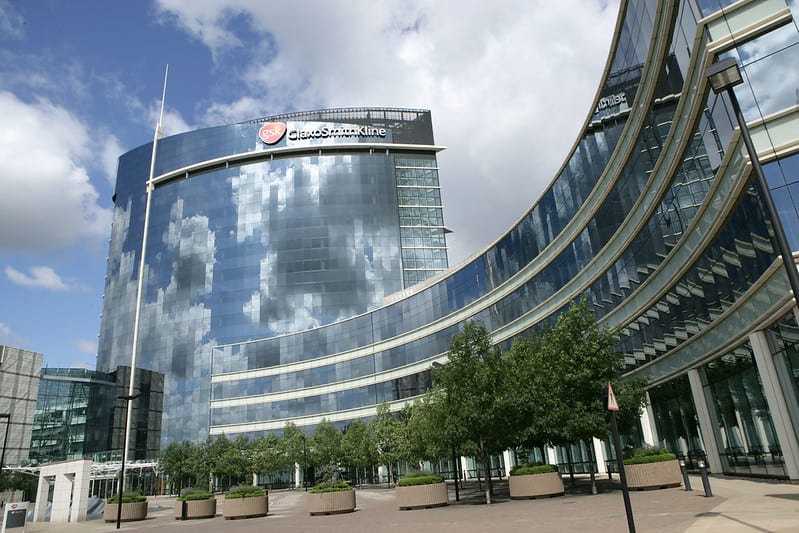
GSK and Rgenta Therapeutics have partnered to develop RNA-targeting small molecule splice modulators for disease areas including oncology, with Rgenta eligible for up to nearly $500m per target.
The strategic research alliance centres around Rgenta’s discovery platform, which the biotech said is focused on “unlocking the therapeutic potential of historically undruggable targets in human diseases”.
Rgenta will use the platform to develop oral RNA-targeting small molecule splice modulators against multiple targets selected by GSK, which will then be responsible for further development and commercialisation of any resulting drug candidates, should it exercise its options. GSK can also choose to expand the alliance to include additional targets.
In exchange, Rgenta will receive up to $46m in cash upfront and pre-option milestone payments, and will be eligible for up to almost $500m per target in option exercise, research, development, regulatory and commercial milestone payments, as well as tiered royalties and a future equity investment.
Rgenta’s platform is designed to mine genomics data to identify targetable RNA processing events and design small-molecule glues to modulate the interactions among the spliceosome, regulatory proteins, and RNAs.
Christopher Austin, senior vice president, research technologies at GSK, said: “We are excited about Rgenta’s differentiated approach to discover and develop oral small molecule splice modulators for high-value targets. We… look forward to advancing this promising modality to more patients with difficult-to-treat diseases.”
Also commenting on the partnership, Simon Xi, co-founder and chief executive officer of Rgenta, said: “This alliance further validates the potential of Rgenta’s small molecule RNA-targeting drug discovery platform. Together we have the potential to accelerate the development of a new class of medicines that can provide new therapeutic options for patients.”
The announcement comes just three weeks after GSK entered into a strategic partnership worth $650m with Vesalius Therapeutics to discover and develop new treatments for Parkinson’s disease and one additional neurodegeneration indication.
The company also said at the end of October that it would be expanding its immunology pipeline by acquiring a clinical-stage T cell-engager from Chimagen Biosciences in a deal worth $850m, and entered into a new licensing agreement worth over €1.4bn with CureVac in July to develop mRNA vaccines for infectious diseases.