




From cloudy to clear: visualising complex data privacy information
April 17, 2026 | clinical trials, communication, health literacy
Discover how clear communication principles can transform complex clinical research topics, as we conclude our Health Literacy series with a practical example on participant data transparency.

For the final instalment of our Health Literacy series, we’re sharing another example of how we apply clear communication principles in practice. Here, we explore how we approached a crucial topic in clinical research: participant data.
Medical data is private – it’s sensitive and not something you want to share with strangers. The lack of transparency around how clinical trial data is stored and used can be a major barrier to participation, particularly for underrepresented communities.
We understand the complexity that comes with this topic. There are so many regulations, nuances, and technicalities to consider, which often means the information reads like a Terms & Conditions page. Although the reader has been “informed”, have they really read it? And more importantly, do they really understand?
Our “before” and “after” example shows how a simple flow diagram can help to translate this critical information so anyone can understand how their personal data may be shared.
Before:
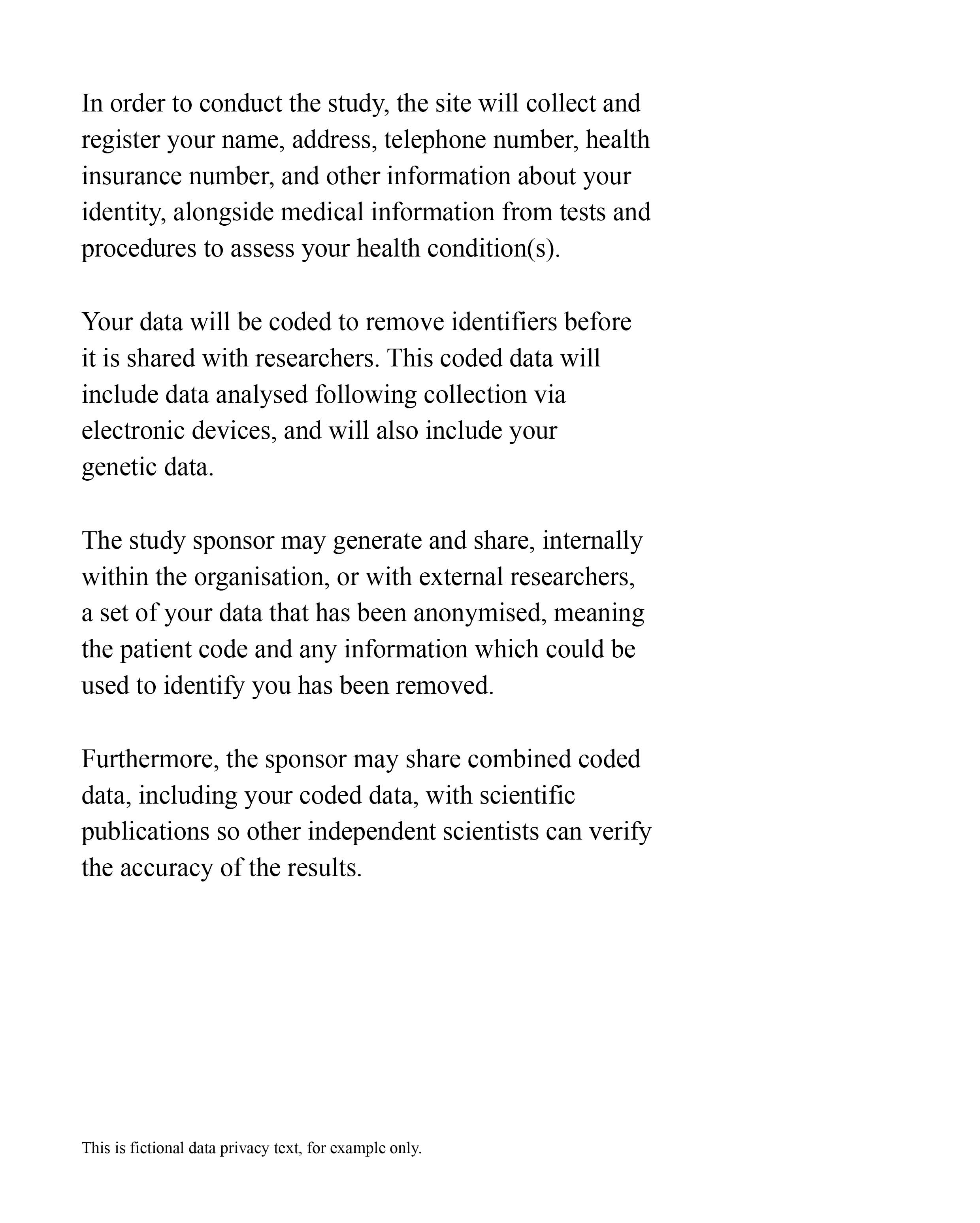
The language is contractual and uses technical terms withoutcontext. It’s difficult to know what data your doctor, a researcher, or thebroader scientific community might be able to see.
After:
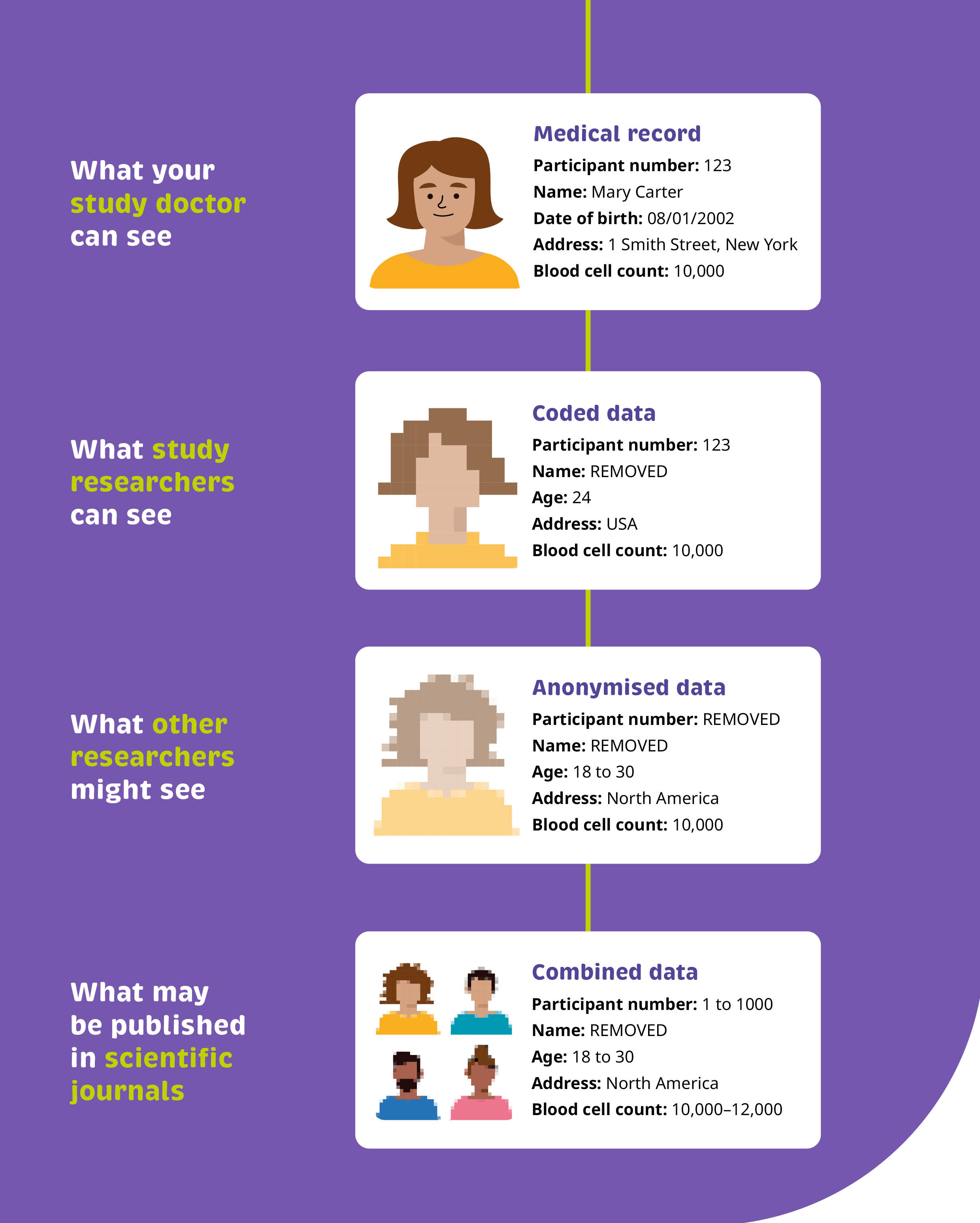
We’ve broken this information down into a flow diagram, clearly calling out the steps in place to ensure personal data are not identifiable. We made use of visual cues to emphasise that the data becomes more difficult to identify when it is processed and shared. Finally, using real examples of the types of data that may be collected helps provide the transparency readers are looking for.
Ultimately, we’ve provided a clear, visual commitment, supported with examples, to illustrate exactly how readers can expect their personal data to be used.
Clear communication about participant data isn’t just a regulatory requirement – it’s essential for building trust in clinical research. By presenting complex information in ways that people can easily understand, we can help more participants make informed decisions about taking part in clinical trials.
This content was provided by Cuttsy + Cuttsy
Company Details

Latest Content from Cuttsy + Cuttsy
New Cuttsy+Cuttsy research shows why site support matters more than ever
Cuttsy+Cuttsy’s upcoming report, ‘The site factor: Where protocol meets practice in clinical trials’, delves into the critical role of site staff in clinical research, offering insights into their daily challenges,…
Cuttsy+Cuttsy becomes employee owned
Cuttsy+Cuttsy announces its transition to employee ownership, celebrating 15 years of prioritising clients, patients, and its team while continuing under the leadership of founders Caroline Benson and Mathew Cutts.
Clinical research in 2026: The trends shaping tomorrow
Discover the key trends shaping clinical research in 2026, from patient-centric approaches to empowering site staff and fostering stronger human connections.
From overwhelming to actionable: Bringing lifestyle guidance to life
Discover how clear communication and health literacy principles can transform complex patient materials into simple, engaging, and empowering health information.
Behind the scenes: why we created ‘The participation equation’
Go behind the scenes of The participation equation – our call to put people, not just data, at the heart of clinical research.
Cuttsy+Cuttsy launches R:SQD – a new way to predict and improve trial success
Cuttsy+Cuttsy has launched R:SQD, an innovative recruitment and retention success scoring tool that helps clinical trial sponsors predict, measure, and improve participant engagement and trial outcomes.
New report, The participation equation, uncovers key drivers of patient engagement in clinical trials
Cuttsy+Cuttsy’s new report, The participation equation, uncovers what drives patient engagement and retention in modern clinical trials through insights from over 700 participants and industry experts.
Why patients drop out of weight management trials and what you can do about it
Discover the key barriers to retention in obesity and weight-management trials and explore actionable, patient-centered strategies to improve engagement, outcomes, and data reliability.
Cuttsy+Cuttsy welcomes new team members
Cuttsy+Cuttsy is excited to announce the addition of three talented professionals to the team: Flo, an enthusiastic Account Executive; Vicki, a creative Graphic Designer; and Jo, a detail-driven Artworker
Designing with patients in mind: How to build more inclusive clinical trials
Discover how patient-centred design transforms inclusive clinical trials. Learn to overcome trial recruitment challenges by listening to patients and creating studies that fit real lives.