




From cloudy to clear: visualising complex data privacy information
April 17, 2026 | clinical trials, communication, health literacy
Discover how clear communication principles can transform complex clinical research topics, as we conclude our Health Literacy series with a practical example on participant data transparency.

For the final instalment of our Health Literacy series, we’re sharing another example of how we apply clear communication principles in practice. Here, we explore how we approached a crucial topic in clinical research: participant data.
Medical data is private – it’s sensitive and not something you want to share with strangers. The lack of transparency around how clinical trial data is stored and used can be a major barrier to participation, particularly for underrepresented communities.
We understand the complexity that comes with this topic. There are so many regulations, nuances, and technicalities to consider, which often means the information reads like a Terms & Conditions page. Although the reader has been “informed”, have they really read it? And more importantly, do they really understand?
Our “before” and “after” example shows how a simple flow diagram can help to translate this critical information so anyone can understand how their personal data may be shared.
Before:
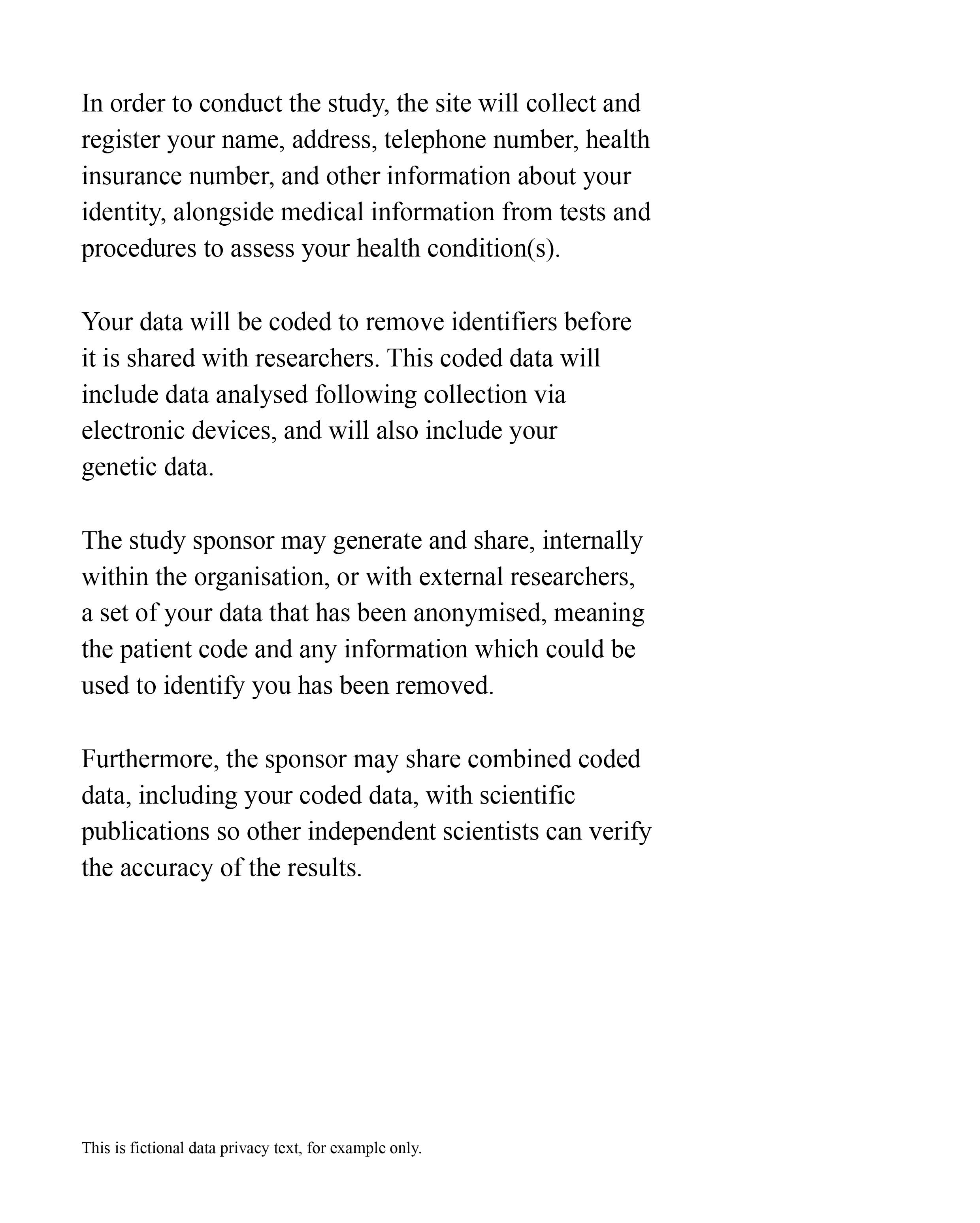
The language is contractual and uses technical terms withoutcontext. It’s difficult to know what data your doctor, a researcher, or thebroader scientific community might be able to see.
After:
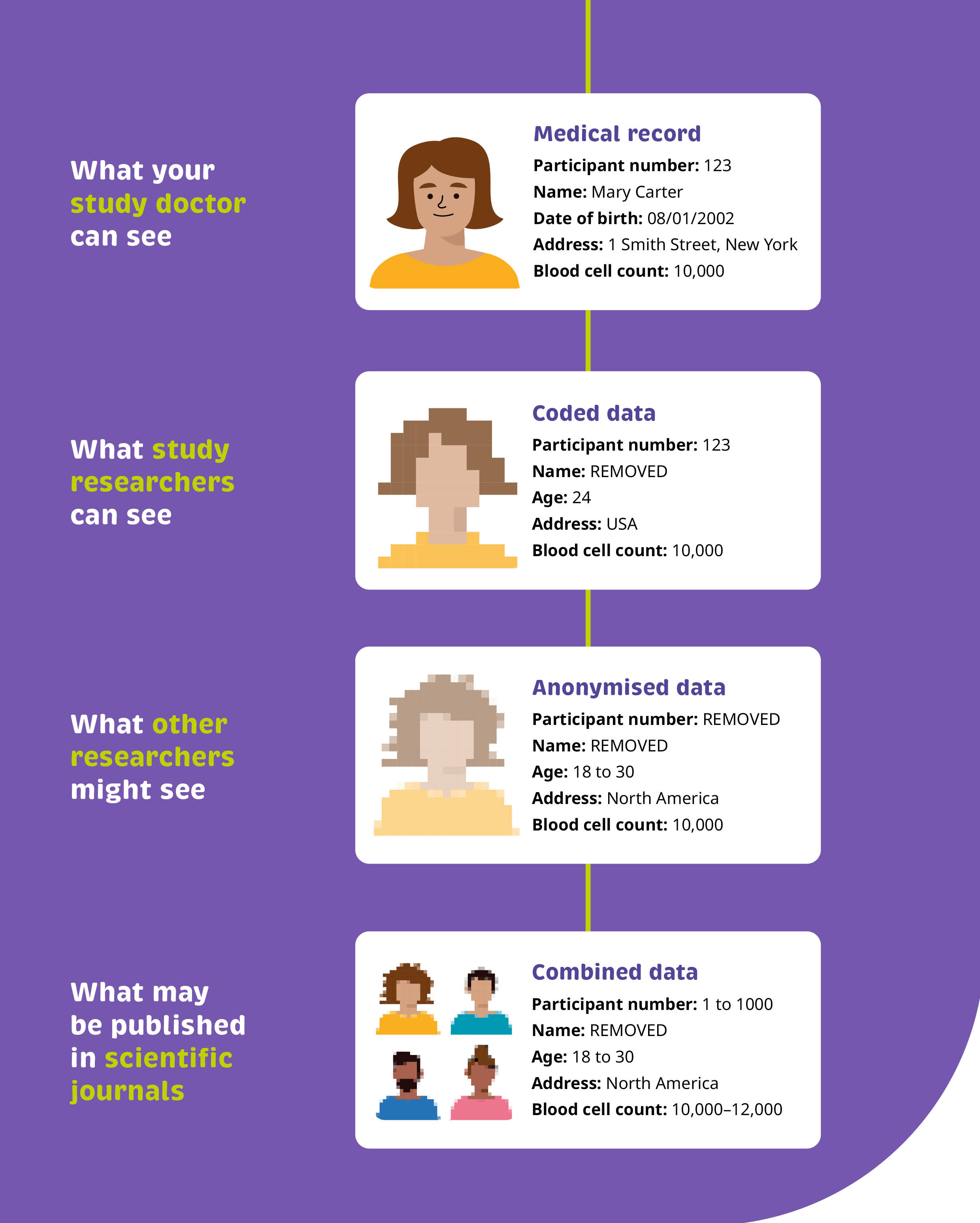
We’ve broken this information down into a flow diagram, clearly calling out the steps in place to ensure personal data are not identifiable. We made use of visual cues to emphasise that the data becomes more difficult to identify when it is processed and shared. Finally, using real examples of the types of data that may be collected helps provide the transparency readers are looking for.
Ultimately, we’ve provided a clear, visual commitment, supported with examples, to illustrate exactly how readers can expect their personal data to be used.
Clear communication about participant data isn’t just a regulatory requirement – it’s essential for building trust in clinical research. By presenting complex information in ways that people can easily understand, we can help more participants make informed decisions about taking part in clinical trials.
This content was provided by Cuttsy + Cuttsy
Company Details

Latest Content from Cuttsy + Cuttsy
Clinical trial considerations: Why diversity matters…
Diversity in clinical trials is crucial for understanding diseases and developing new treatments. Here’s why diversity matters…
Clinical trial considerations: Why digital matters…
Digital technology in healthcare is rapidly evolving. In this blog we delve into how digital solutions can help improve patient experience within clinical trials.
Clinical trials explained: Why imagery matters…
Recruiting patients for clinical trials is one of pharma’s greatest challenges. Imagery is a great way to connect with people on an emotional level and forms a big part the…
Clinical trials explained: Why health literacy matters…
Clinical trial recruitment can be a challenge. By applying the principles of health literacy to all materials, we can support people to make an informed choice about whether to take…
Clinical trials explained: Why iconography matters…
Icons serve as a useful form of alternative communication. We spend a lot of time developing icons for healthcare communications. Find out how we use iconography to elevate clinical trial…
Cuttsy+Cuttsy appoints Harriet Karia as Managing Director
Cuttsy+Cuttsy is pleased to announce the appointment of Harriet Karia as its first Managing Director.
Using generative AI in healthcare comms – our promise to our clients
It’s safe to say one of the hottest topics of 2023 has been ChatGPT and the launch of other Generative AI-driven applications. So, we’re sharing our promises, so that when…
Clinical trials explained: Why colour matters…
Colour can be used to emphasise mood, evoke emotions, and determine first impressions of a brand. Find how to use colour effectively in your next clinical trial campaign.
Clinical trials explained: Why branding matters…
With nearly a decade’s experience supporting clinical trials, find out why we think humanising trials through design is so important.
DPHARM2023 – Five key themes impacting clinical trials today
Throughout three fascinating days of conference, some key themes emerged that are impacting study teams and the effectiveness of their clinical trials on a daily basis.