


Programmatic

Patients are telling the truth — just not to you
Patients are often most honest outside the clinic—revealing vital insights that can help clinical trial teams build trust, improve participation and collect better data.

New benchmark reveals significant digital maturity gap across UK POM companies’ product-information estates
A new benchmark maps 100 UK prescription medicine companies across five maturity bands and finds a market at very different stages of digital development
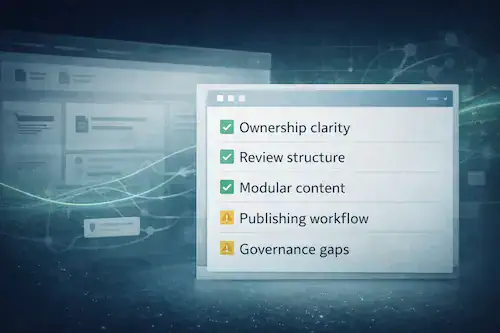
Why pharma website projects stall long before compliance becomes the problem
Pharma teams often blame compliance when digital projects slow down. In reality, the bigger issue is usually weaker ownership, unclear review models and content structures that were never designed for...

T40: when a number is not just a number
Proud to be ranked 3rd among the Top 10 UK-focused agencies, along with other categories, Grace Communications finds inspiration in being included in PMLive’s Top 40 Creative Healthcare Agencies 2025.

Cuttsy+Cuttsy becomes employee owned
Cuttsy+Cuttsy announces its transition to employee ownership, celebrating 15 years of prioritising clients, patients, and its team while continuing under the leadership of founders Caroline Benson and Mathew Cutts.
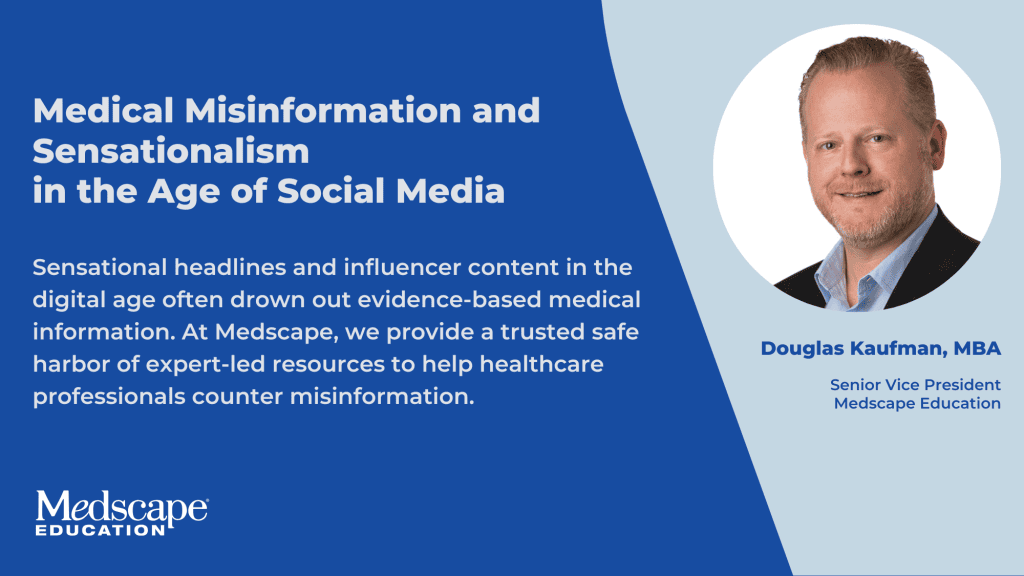
Medical Misinformation and Sensationalism in the Age of Social Media
In today’s digital age, misinformation spreads faster than ever, often driven by sensational headlines and influencer content. These sources of misinformation often overshadow evidence-based content, creating confusion for both healthcare...

Why Pharma’s Digital PI Compliance Problem Needs a Cross-Functional Fix
In many pharma teams, the responsibility for keeping prescribing information (PI) up to date online falls into a grey area. > Regulatory signs it off. > Marketing publishes it. >...

Leveraging the ABPI QR Code Update: Enhancing Prescribing Information Through Best Practices
ABPI's recent update permits QR codes in printed pharmaceutical materials for prescribing information. By ensuring visibility, providing clear instructions, linking directly, and keeping content current, companies can enhance accessibility, ensure...

Pi 360 – A Smarter, Automated Solution for Digital Prescribing Information (PI) & QR Code Compliance
Life sciences digital agency Genetic Digital has launched Pi 360, a cutting-edge web application designed to help pharmaceutical companies automate the creation, management and distribution of Prescribing Information (PI) while...
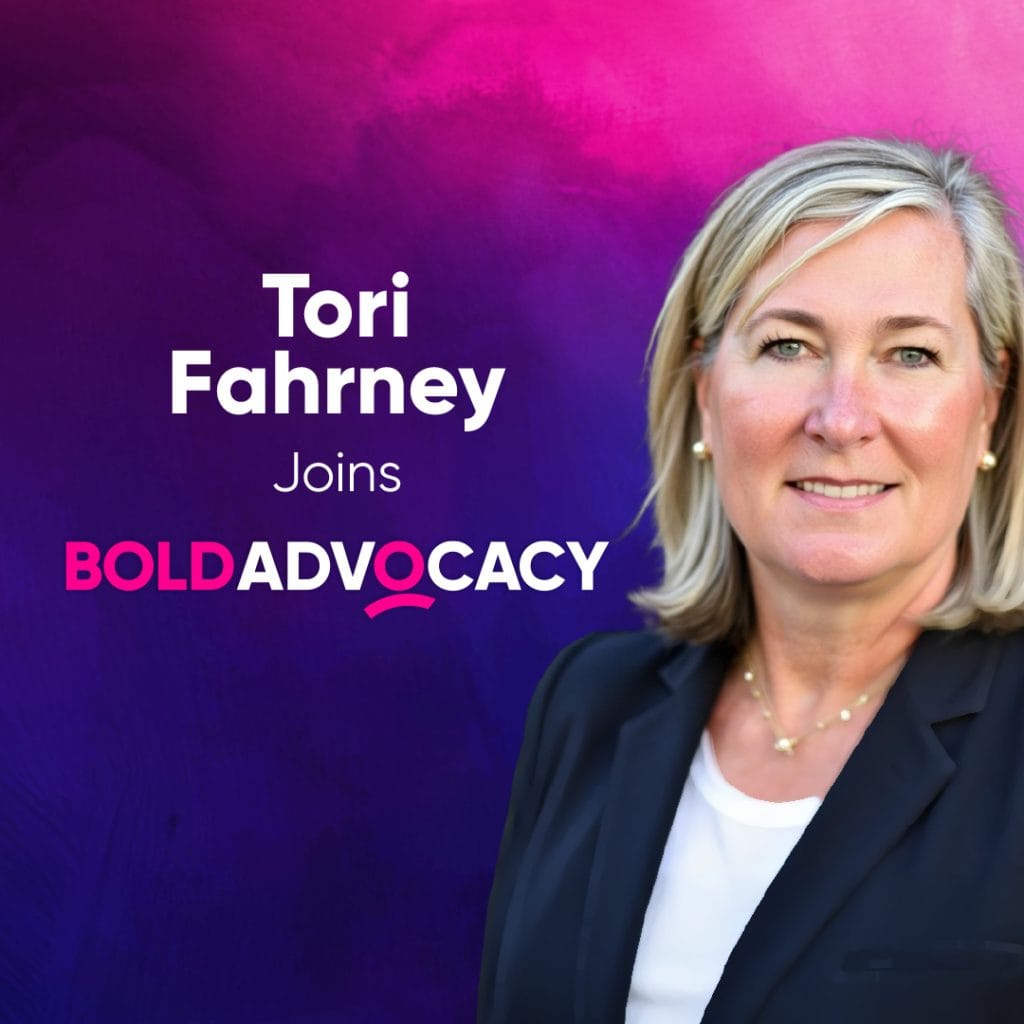
BOLDADVOCACY Division of BOLDSCIENCE Strengthens Leadership Team with Tori Fahrney
BOLDSCIENCE, One of the Fastest-Growing Firms in the Health Care Sector, and the Minds + Assembly Platform Reinforce Importance of Supporting Patients and Caregivers


ABPI highlights importance of NHS-industry partnerships in improving patient outcomes
Hospitals engaging in industry partnerships were found to be up to 2.5 times more likely to follow NICE guidelines