




From cloudy to clear: visualising complex data privacy information
April 17, 2026 | clinical trials, communication, health literacy
Discover how clear communication principles can transform complex clinical research topics, as we conclude our Health Literacy series with a practical example on participant data transparency.

For the final instalment of our Health Literacy series, we’re sharing another example of how we apply clear communication principles in practice. Here, we explore how we approached a crucial topic in clinical research: participant data.
Medical data is private – it’s sensitive and not something you want to share with strangers. The lack of transparency around how clinical trial data is stored and used can be a major barrier to participation, particularly for underrepresented communities.
We understand the complexity that comes with this topic. There are so many regulations, nuances, and technicalities to consider, which often means the information reads like a Terms & Conditions page. Although the reader has been “informed”, have they really read it? And more importantly, do they really understand?
Our “before” and “after” example shows how a simple flow diagram can help to translate this critical information so anyone can understand how their personal data may be shared.
Before:
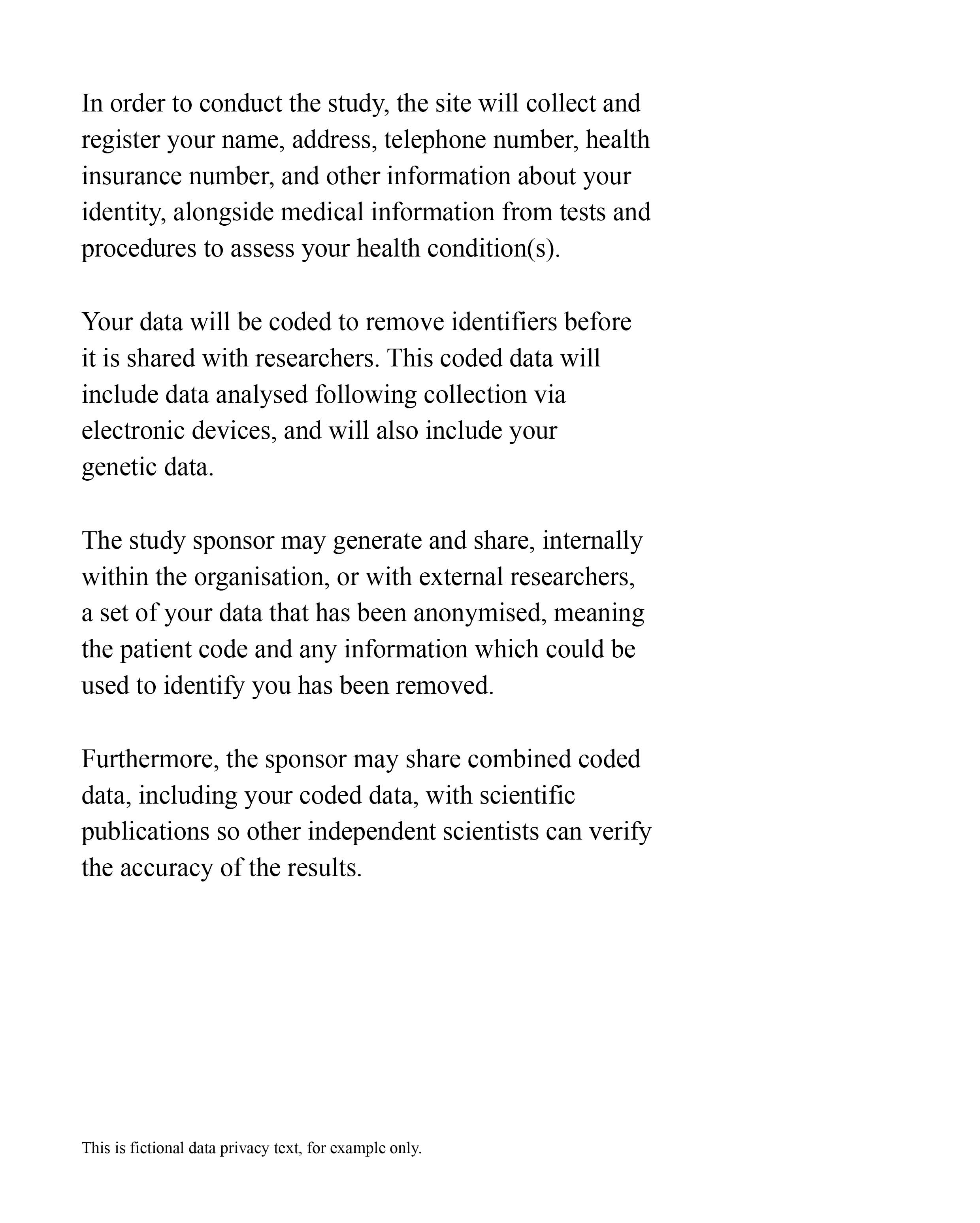
The language is contractual and uses technical terms withoutcontext. It’s difficult to know what data your doctor, a researcher, or thebroader scientific community might be able to see.
After:
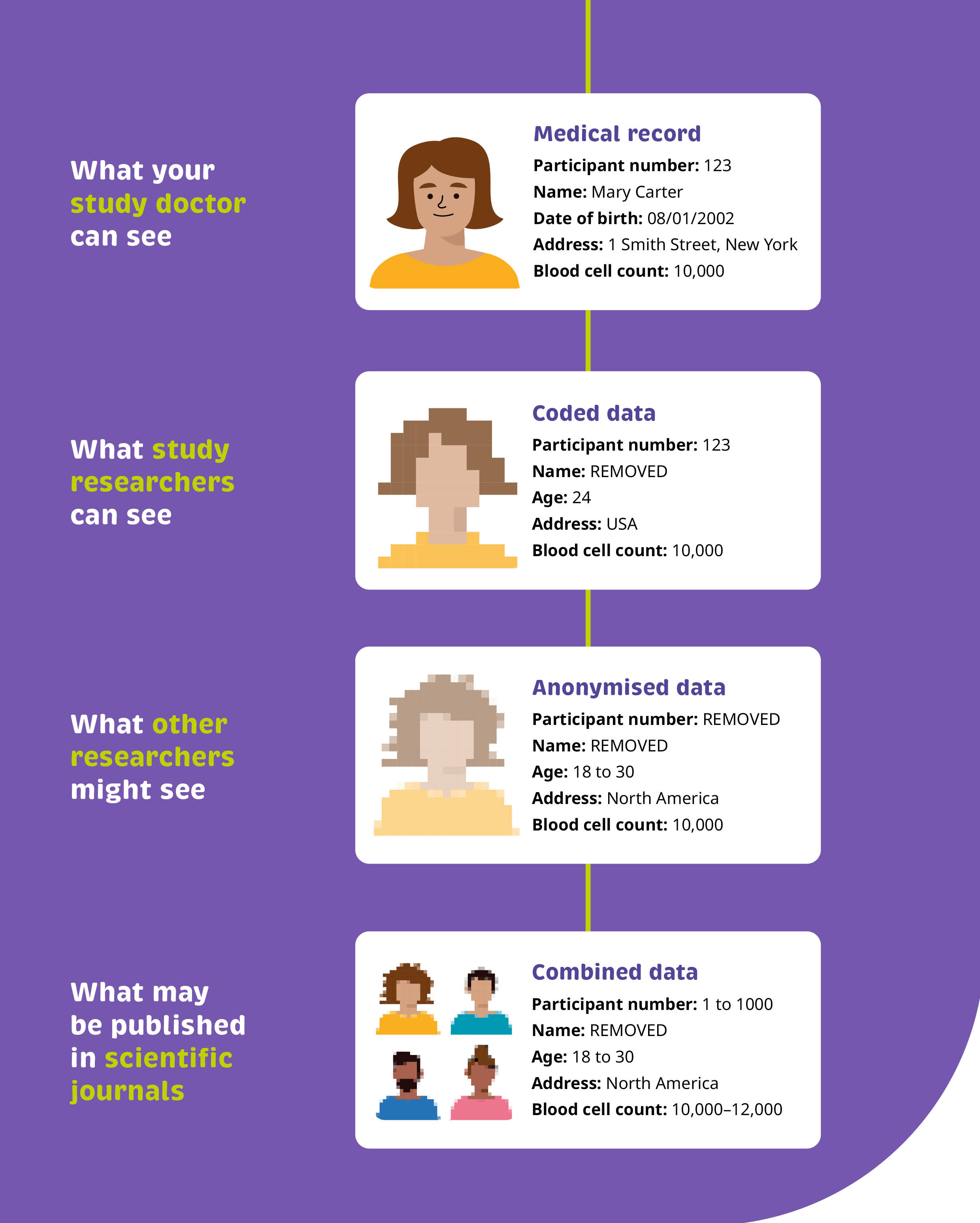
We’ve broken this information down into a flow diagram, clearly calling out the steps in place to ensure personal data are not identifiable. We made use of visual cues to emphasise that the data becomes more difficult to identify when it is processed and shared. Finally, using real examples of the types of data that may be collected helps provide the transparency readers are looking for.
Ultimately, we’ve provided a clear, visual commitment, supported with examples, to illustrate exactly how readers can expect their personal data to be used.
Clear communication about participant data isn’t just a regulatory requirement – it’s essential for building trust in clinical research. By presenting complex information in ways that people can easily understand, we can help more participants make informed decisions about taking part in clinical trials.
This content was provided by Cuttsy + Cuttsy
Company Details

Latest Content from Cuttsy + Cuttsy
Invited, but not equipped: patient involvement needs more than an open door
Explore how pharma can help patients and patient organisations prepare for meaningful involvement in EU HTA without shaping their contribution.
The outcomes are already chosen. So when can patients really shape them?
Explore why involving patients early in Joint Scientific Consultations is critical to shaping the outcomes measured in clinical trials.
Long-term clinical trial engagement is a behavioural challenge – not just an informational one
Explore why long-term clinical trial engagement is a behavioural challenge, showing how proactive support from site teams can help participants stay connected, confident and committed throughout a study.
Patients are telling the truth — just not to you
Patients are often most honest outside the clinic—revealing vital insights that can help clinical trial teams build trust, improve participation and collect better data.
When what matters to patients is hard to measure
Patient-relevant outcomes sit at the heart of the EU HTA reforms, but ensuring they reflect lived experience requires you to look beyond what traditional clinical endpoints measure.
Permission to pause: making treatment breaks part of the cancer care conversation
Exploring how empathetic, patient-centred communication can make planned treatment breaks easier to discuss as part of cancer care.
A seat at the table: what the EU HTA reforms really ask of patient involvement
The EU HTA reforms give patients a formal role in assessing new medicines, but meaningful involvement requires more than simply offering them a seat at the table.
Why faster trials make participant understanding more important than ever
As clinical trials accelerate, clear, accessible consent is essential to help participants understand, engage with and remain in a study.
Older trial participants reject bad design, not technology
Older trial participants aren’t rejecting digital technology — they’re rejecting poorly designed, inaccessible experiences that make participation harder.
5 key takeaways from the Patient Centricity and Engagement Conference
Key takeaways from the Patient Centricity and Engagement conference, exploring how trust, inclusion and meaningful partnership can help turn patient engagement from intention into action.